A Short History of Aluminum
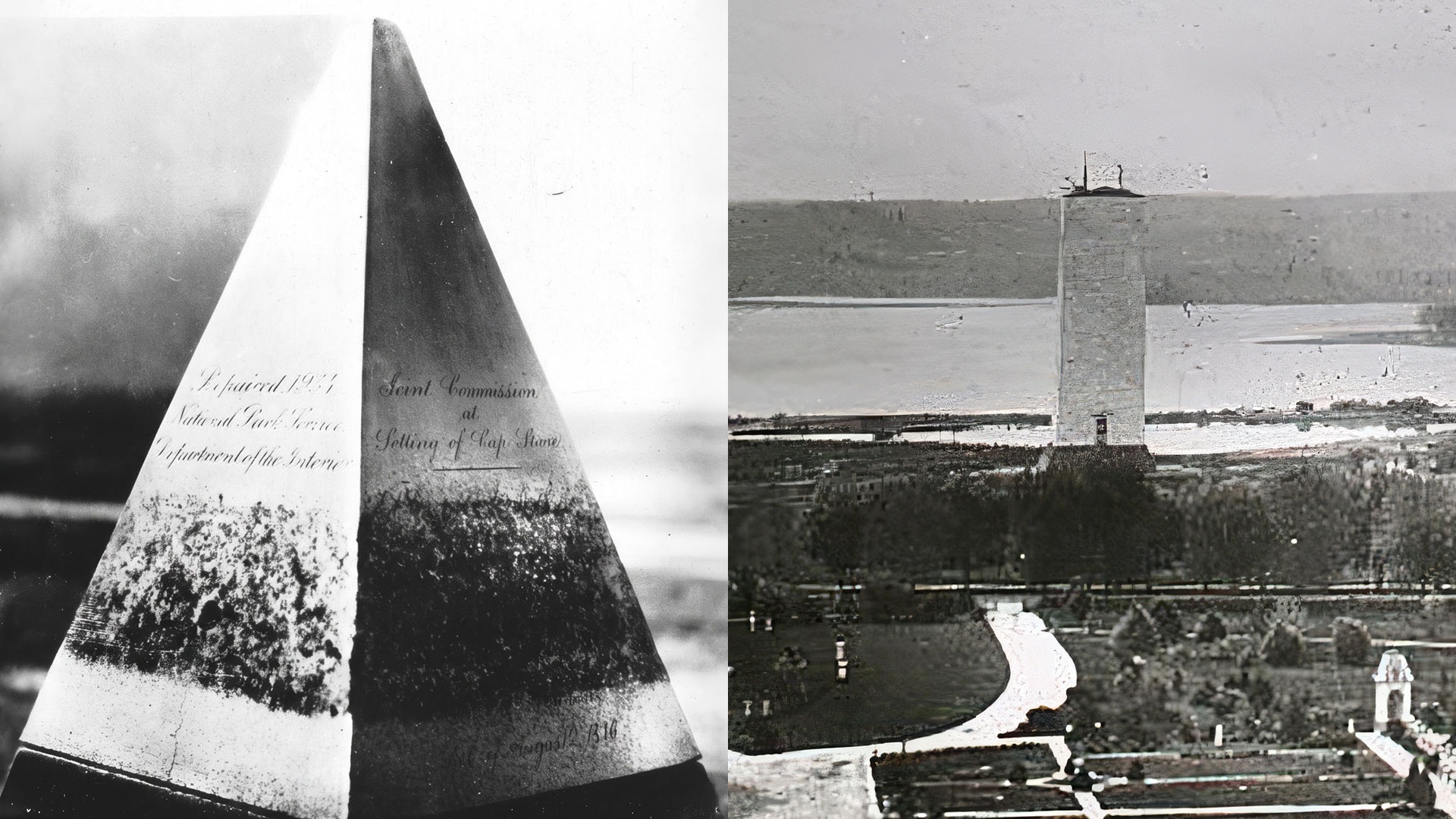
In December 1884, workers placed a small metal pyramid on top of the Washington Monument. It weighed 100 ounces, and it was made of aluminum. At the time, that was a bold choice. Aluminum cost more than silver, and it was one of the most impressive materials a country could show off.
Today, that same metal is in soda cans, kitchen foil, and car frames. Here at Golden Aluminum, we melt, cast, and roll it every day. But how did a metal go from crowning a national monument to sitting in your recycling bin? The answer is a very surprising and fascinating story.
Hidden in Plain Sight
What’s strange is that aluminum was never actually rare. It’s the third most common element in the earth’s crust. It’s in clay, rocks, and the dirt under your feet. What was rare was aluminum by itself.
In nature, aluminum is always bonded to other elements, mostly oxygen. So for thousands of years, people used it without knowing it was there. More than 5,000 years ago, Egyptians used alum, a crystal that contains aluminum, to help dye stick to fabric. Persian potters seem to have favored aluminum-rich clays because they made stronger pottery. The ancient Greeks used aluminum sulfate medicinally to stop bleeding. By the Enlightenment, scientists had worked out that alum contained the oxide of an unknown metal.
A Stubborn Element
It was a chemistry issue. Iron and copper can be pulled from their ores with fire and charcoal. The carbon takes the oxygen, and the metal is left behind. That simple method powered the Bronze and Iron Ages.
It doesn’t work on aluminum. Aluminum holds on to oxygen so tightly that carbon can’t win that tug-of-war. The most common metal in the ground was also unusually hard to get.
In the 1820s, chemists Hans Christian Ørsted and Friedrich Wöhler finally produced small amounts of aluminum. Wöhler did it with potassium, an even more reactive metal that could pull the aluminum loose. In the 1850s, French chemist Henri Sainte-Claire Deville swapped in sodium, which was cheaper. He managed to make solid bars, but the process was still very slow and costly.
Silver from Clay
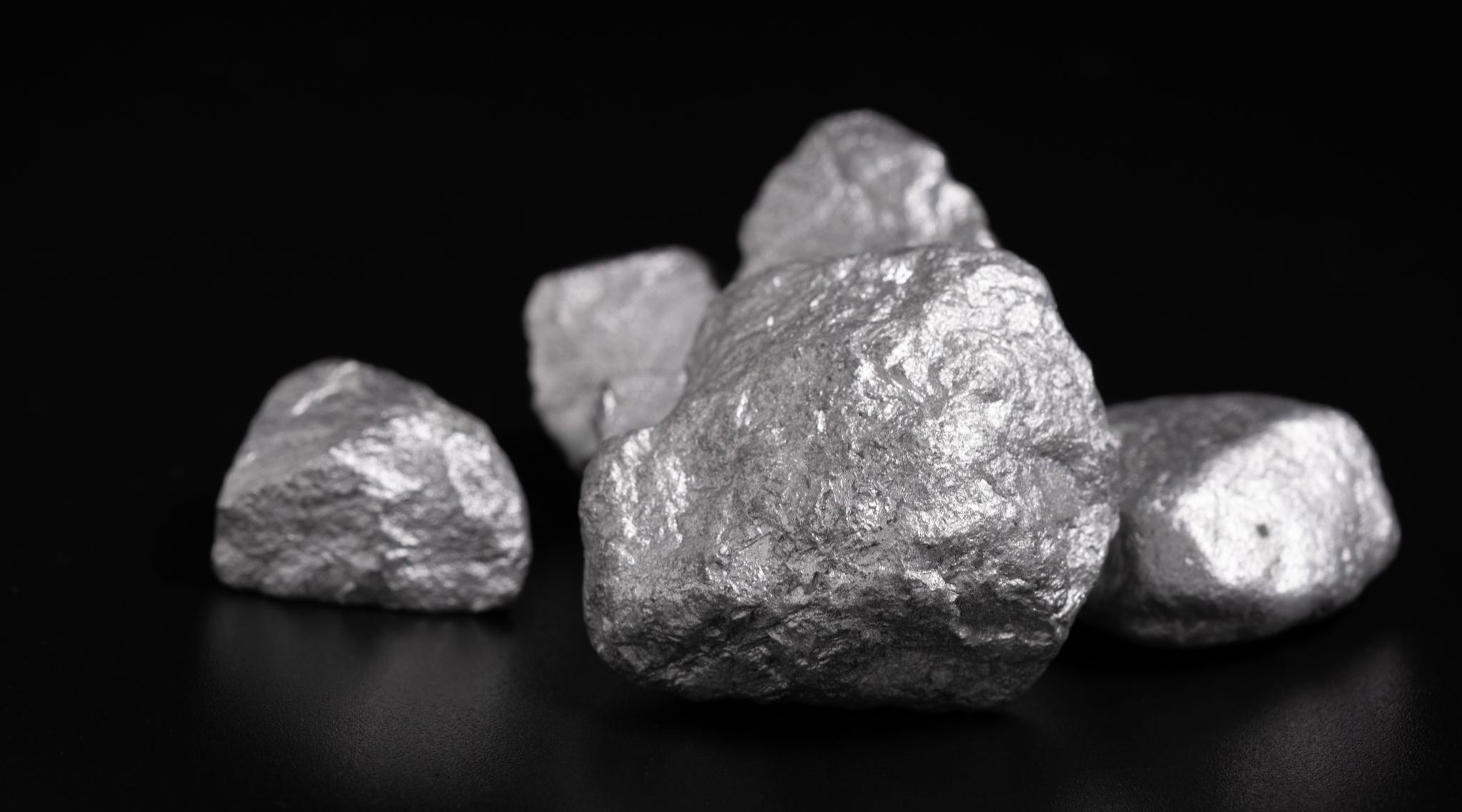
That difficulty made aluminum a luxury. Deville’s bars were displayed next to the French Crown Jewels and promoted as “silver from clay.” Emperor Napoléon III served his most honored guests with aluminum cutlery. Everyone else ate with silver.
To us, those bars wouldn’t look like much. They’d look a lot like the foil in your kitchen drawer. Their value came from how hard they were to make, not from their beauty.
The Big Breakthrough
The solution had actually been sitting in the ground for decades. In 1821, geologist Pierre Berthier discovered a reddish, clay-like rock near the village of Les Baux in southern France. It was named bauxite, and it turned out to be about half aluminum oxide. Today, it’s the source of more than 99% of the world’s industrial aluminum. At the time, though, bauxite ran into the same old problem. There was plenty of aluminum inside it, but no affordable way to get it out.
It wasn’t until more than 60 years later that a practical method to extract aluminum was discovered. In 1886, Charles Martin Hall in the United States and Paul Héroult in France each found the same answer at around the same time: electricity. They dissolved alumina, the aluminum oxide found in bauxite, in a molten mineral called cryolite. Then they ran a strong electric current through it. Pure liquid aluminum sank to the bottom, while the oxygen was drawn away. Electricity finally solved the chemistry issue. Two years later, Karl Josef Bayer developed a way to refine bauxite into alumina. The funny thing is, he made this discovery by accident while trying to develop a dye fixer, the same job the Egyptians had used alum for thousands of years earlier.
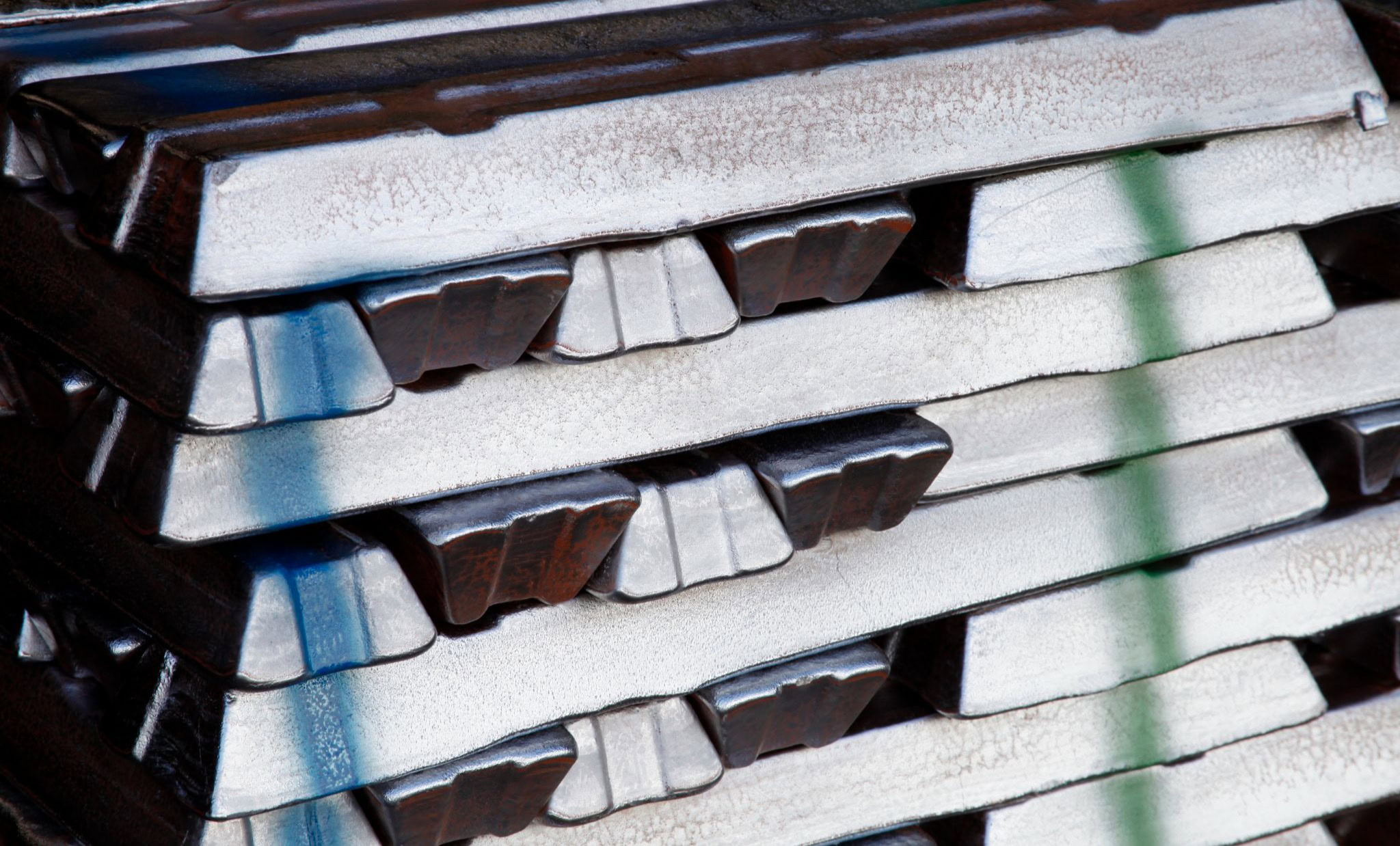
Prices dropped fast. Aluminum went down to about $2 a pound, and within a few years to less than a dollar. Hall’s company went on to become Alcoa. The metal that only emperors could get ahold of was about to become the everyday metal of the common people.
Aluminum for Everyone
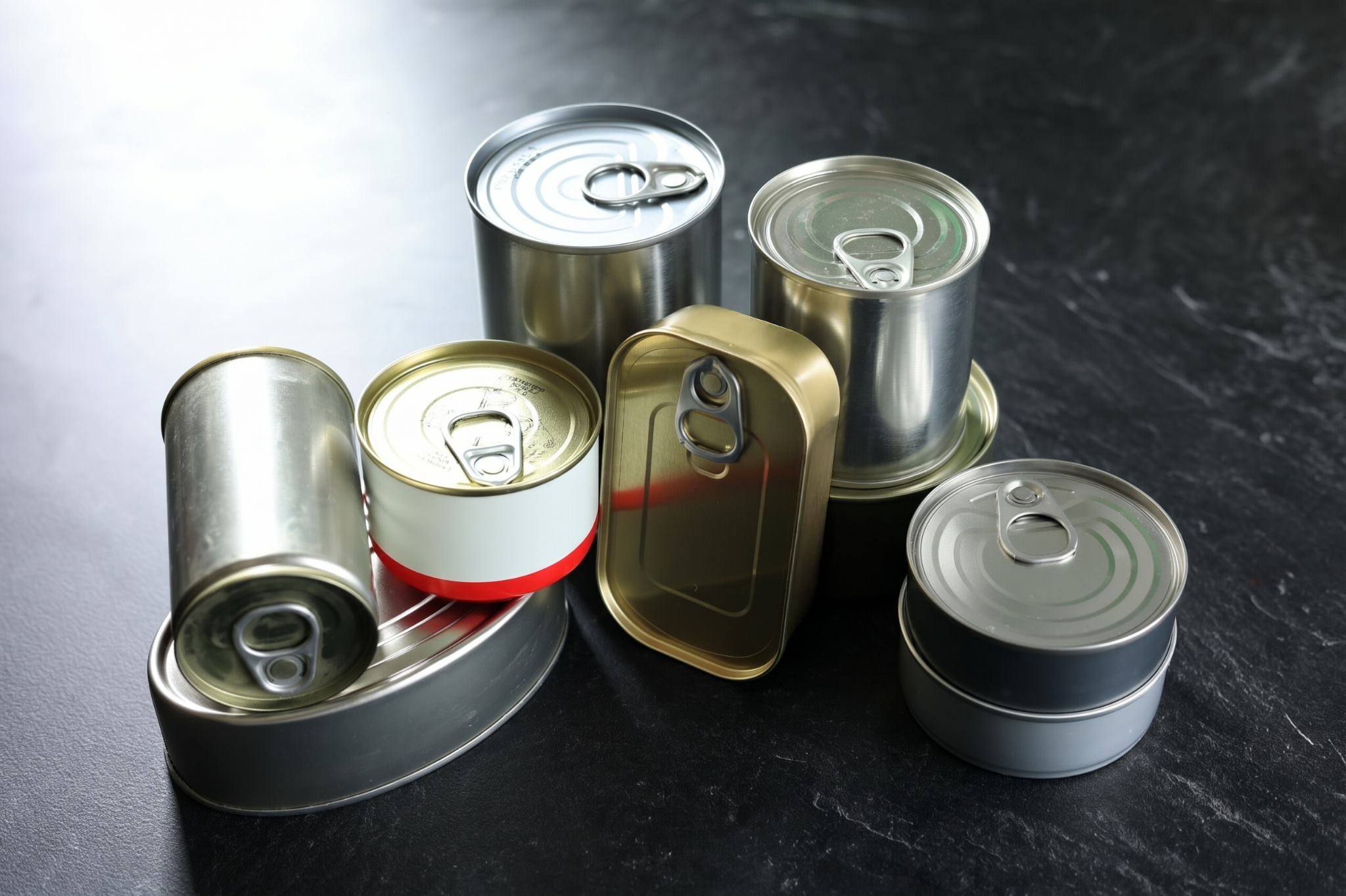
Once it was affordable, aluminum spread quickly. It showed up in jewelry, eyeglass frames, and kitchen cookware. In 1910, aluminum foil hit the market. During World War II, it became a strategic material used in aircraft, ships, radar systems, and millions of soldiers’ kits.
Then, in January 1959, Coors introduced the two-piece recyclable aluminum can. It took years of research and millions of dollars in trial and error. The can proved something important: aluminum could be used, returned, and used again.
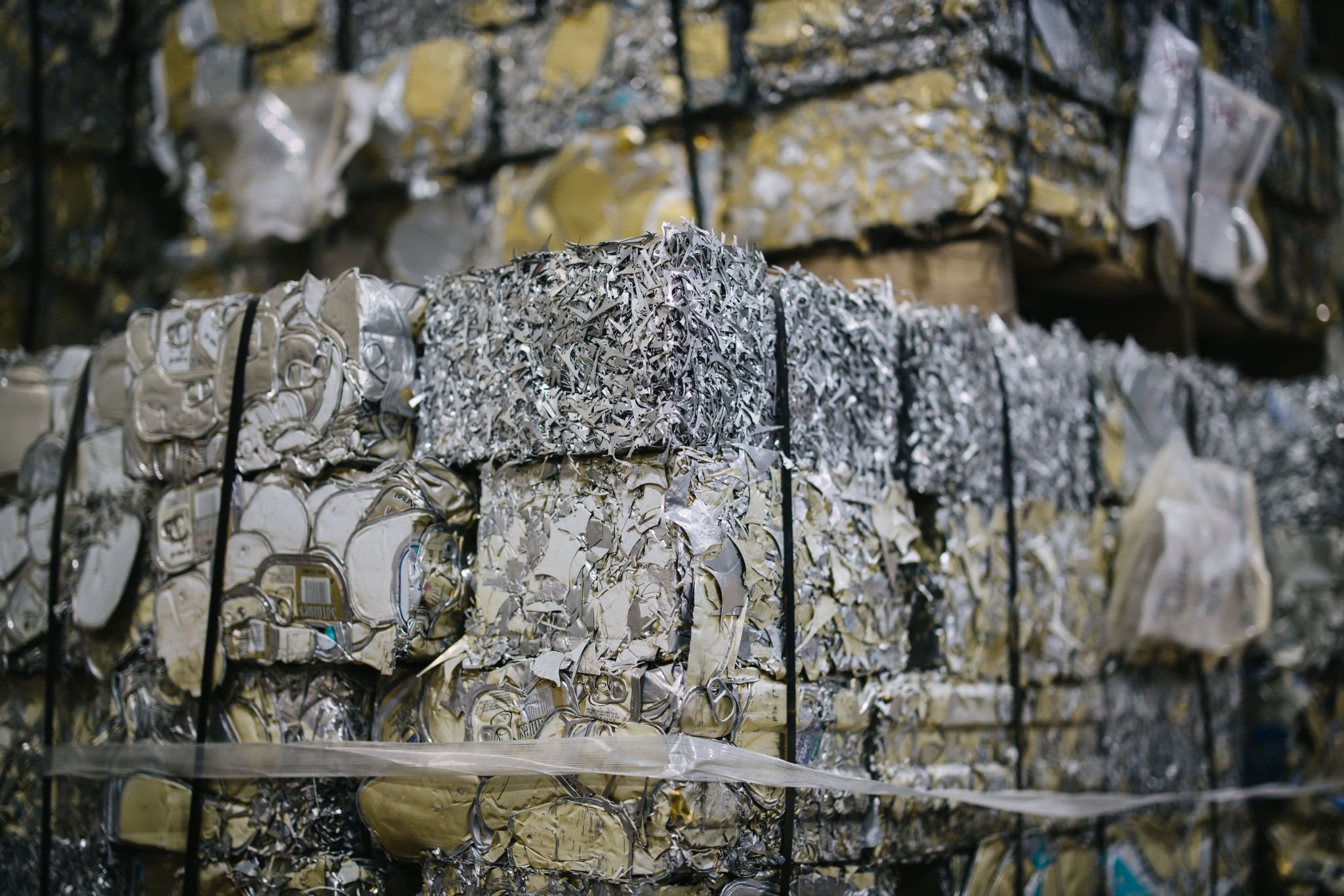
That idea is at the heart of our Fort Lupton mill, where recycled cans are turned back into new aluminum sheet. It works because of one simple fact: once aluminum is freed from its ore, it stays metal. That tough bond with oxygen never has to be broken twice.
Present and Future
Aluminum is still finding new work. In electric vehicles, it’s used in body structures, battery housings, and motors, where lighter weight means more range. In AI data centers, it helps pull heat away from servers. Much of the U.S. power grid runs on aluminum wire, and aluminum makes up a large part of most solar panel components.
Maybe the most impressive number is this one. About 75% of all the aluminum ever produced is still in use today. In the United States, more than 80% of aluminum production now comes from recycled metal.
A Different Kind of Value
That little pyramid is still on top of the Washington Monument. When it was placed there, aluminum was valuable because almost no one could have it. Today, it’s valuable for the opposite reason. It’s in the cans we drink from, the cars we drive, the power lines that light our homes, and the technology we use daily. The metal that was once reserved for emperors is now an essential part of everyday life.
And its story is far from over. As electric vehicles, solar power, and AI data centers keep growing, so does the need for a metal like aluminum. The next chapter of this story may hold many more surprises.
Sources:
AlCircle. (2026, July 14). The story beyond energy race: Data centres as a new-age demand driver of aluminium to over 1Mt by 2030. https://www.alcircle.com/news/the-story-beyond-energy-race-data-centres-as-a-new-age-demand-driver-of-aluminium-propelling-it-to-more-than-1mt-by-2030-120336
Burgess, N. (2015, October 26). March 23, 1821: Bauxite discovered. EARTH Magazine. https://www.earthmagazine.org/article/march-23-1821-bauxite-discovered/
Constellium. (n.d.). Accelerating electric vehicles with aluminium. https://www.constellium.com/news/accelerating-electric-vehicles-with-aluminium
Geoscience Australia. (2025, May 14). Aluminium. https://www.ga.gov.au/education/minerals-energy/australian-mineral-facts/aluminium
Golden Aluminum. (n.d.). About. https://goldenaluminum.com/about/
International Aluminium Institute. (n.d.). 75% of all aluminium ever produced is still in use today. https://international-aluminium.org/landing/75-of-all-aluminium-ever-produced-is-still-in-use-today/
Lockwood, J. (2014). Topping off the tip: How aluminum found its way onto the Washington Monument. Prologue Magazine, 46(2). https://www.archives.gov/publications/prologue/2014/summer/aluminum-tip-monument
Molson Coors. (2019, January 22). Happy 60th birthday to the recyclable aluminum can. Molson Coors Beer & Beyond. https://www.molsoncoorsblog.com/features/happy-60th-birthday-recyclable-aluminum-can
Science History Institute. (n.d.). Paul Héroult and Charles M. Hall. https://www.sciencehistory.org/historical-profile/paul-heroult-and-charles-m-hall
Science History Institute. (2023, June 1). Aluminum: Common metal, uncommon past. https://www.sciencehistory.org/stories/magazine/aluminum-common-metal-uncommon-past/
The Aluminum Association. (n.d.). Aluminum, the miracle metal. https://www.aluminum.org/aluminum-miracle-metal