New Year, New Plan: Choosing the Right Aluminum Partner for 2026

January is more than a fresh start on the calendar.
For manufacturers, it’s when the year truly begins — when forecasts are set in motion, sourcing plans start to execute, and long-term assumptions are tested against real demand and real expectations. It’s the moment when plans move from theory to action.
The aluminum market hasn’t stood still. Demand continues to grow, supply dynamics are evolving, and trade considerations remain part of everyday planning. In that context, the start of a new year often brings a simple but important question:
Is our current plan still the right one?
More often than not, that question leads back to one core decision — choosing the right aluminum partner.
Why a New Year Is the Right Time to Reevaluate

Many manufacturers operate on long-standing supplier relationships, and for good reason. Stability matters. But stability doesn’t mean standing still.
As markets shift, what once worked well can become less predictable. Capacity constraints, longer lead times, and changing cost structures can quietly introduce risk into even the most familiar supply chains. January offers a natural pause to step back and ask whether your aluminum strategy is still aligned with where your business is headed in 2026 and beyond.
This isn’t about reacting to disruption. It’s about planning deliberately.
What to Look for in a 2026 Aluminum Partner
A strong plan starts with clear priorities. As manufacturers look ahead, three considerations are increasingly shaping how aluminum partners are evaluated.
1. Reliable Capacity You Can Plan Around
At the foundation of any sourcing strategy is the ability to count on production.
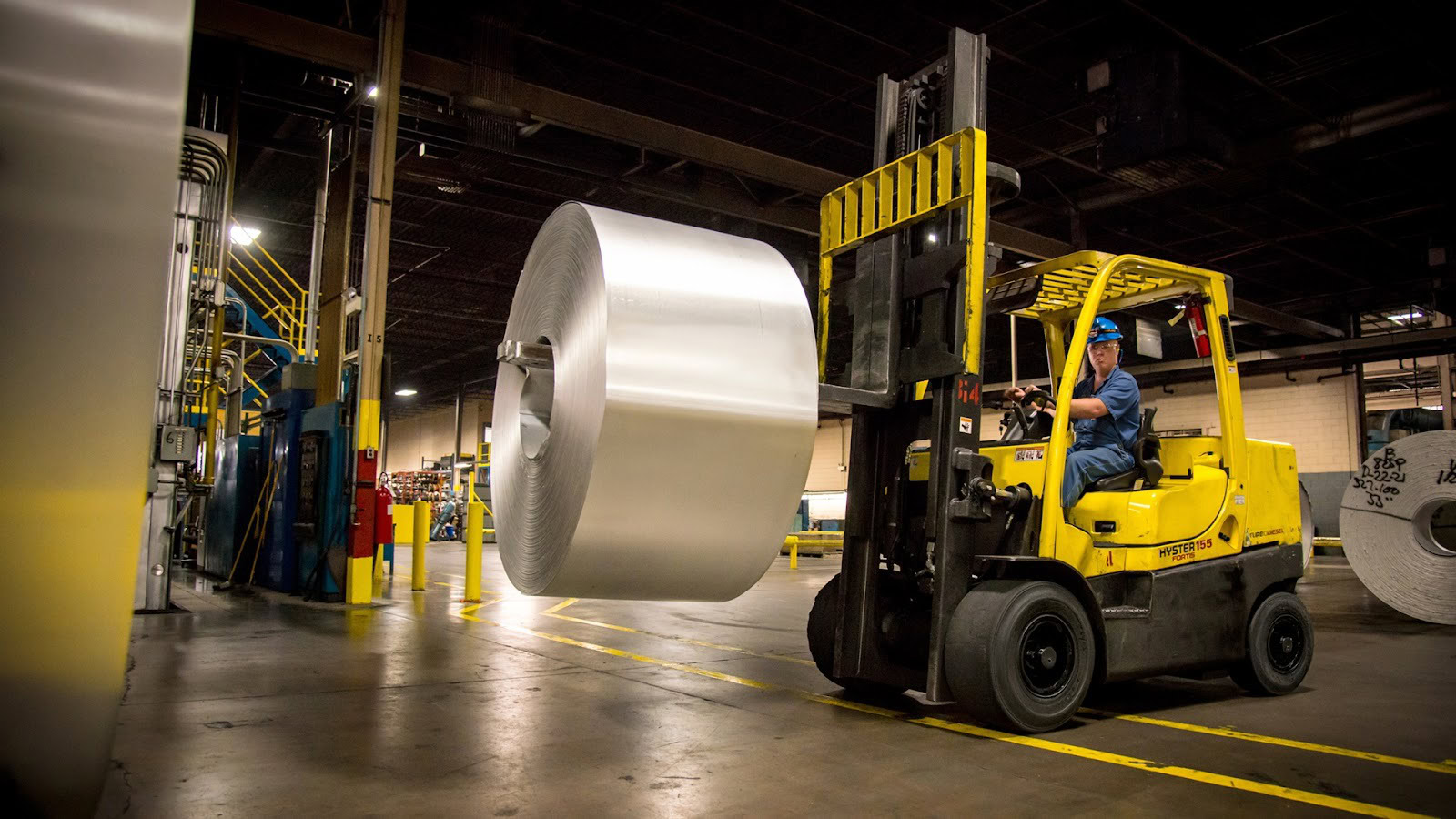
Reliable capacity isn’t just about how much metal a supplier can produce in theory. It’s about consistency, predictability, and confidence that throughput will be there when demand rises. Partners with modernized equipment and fewer operational constraints are better positioned to support growth without unexpected bottlenecks.
For planners, this translates into fewer surprises and more confidence when committing to schedules, customers, and contracts.
2. Domestic Supply That Adds Stability
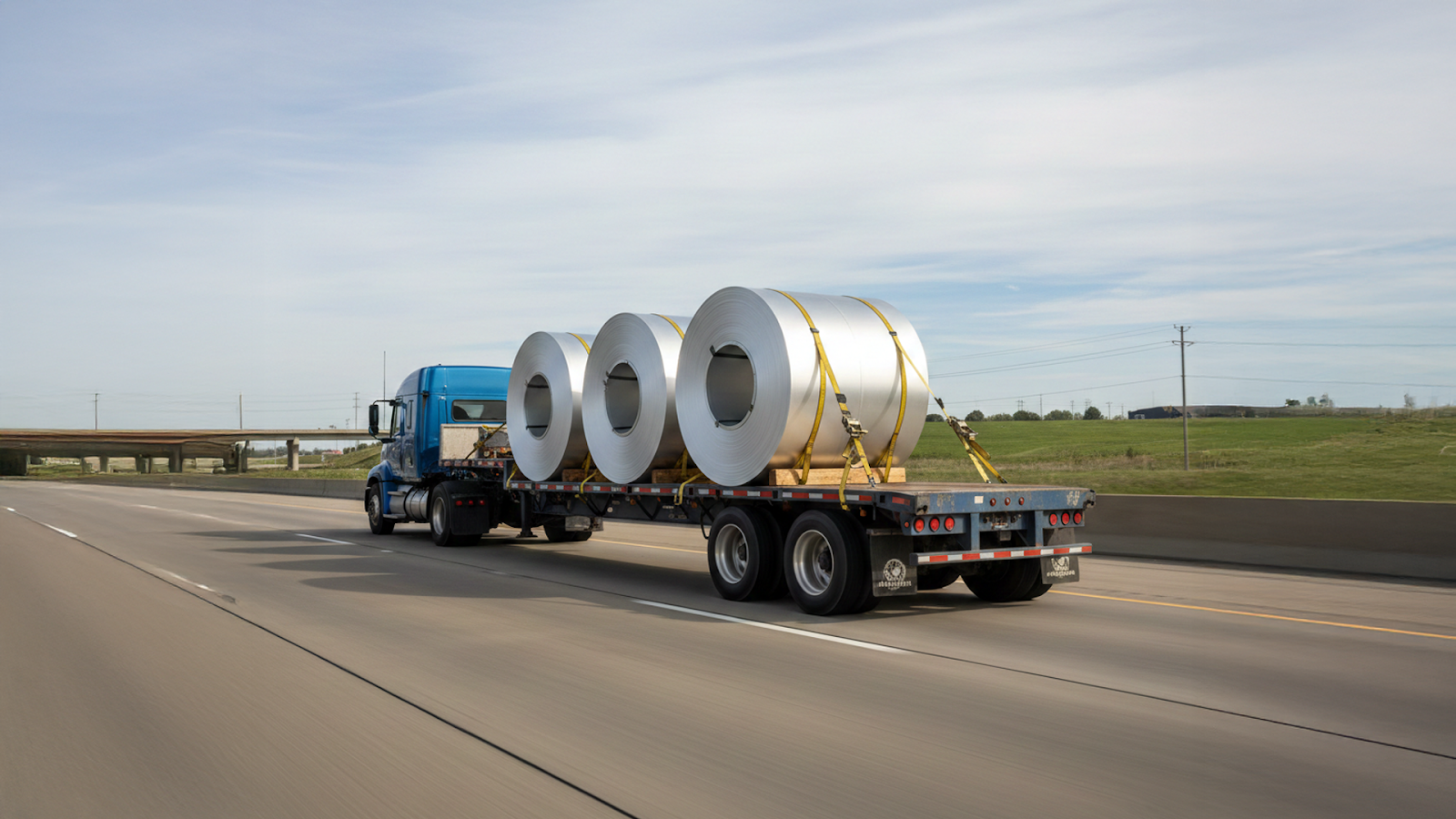
Location has always mattered, but it carries even more weight when trade dynamics and logistics timelines are in flux.
Domestic aluminum supply offers manufacturers a level of stability that’s difficult to replicate elsewhere — shorter lead times, closer collaboration, and fewer external variables influencing availability. As companies plan for 2026, many are placing renewed value on partners whose operations are firmly rooted in the U.S. and built for long-term continuity.
Domestic supply isn’t just about geography; it’s about resilience.
3. Smarter Energy and Scrap Use
Sustainability has moved beyond aspiration and into operations.
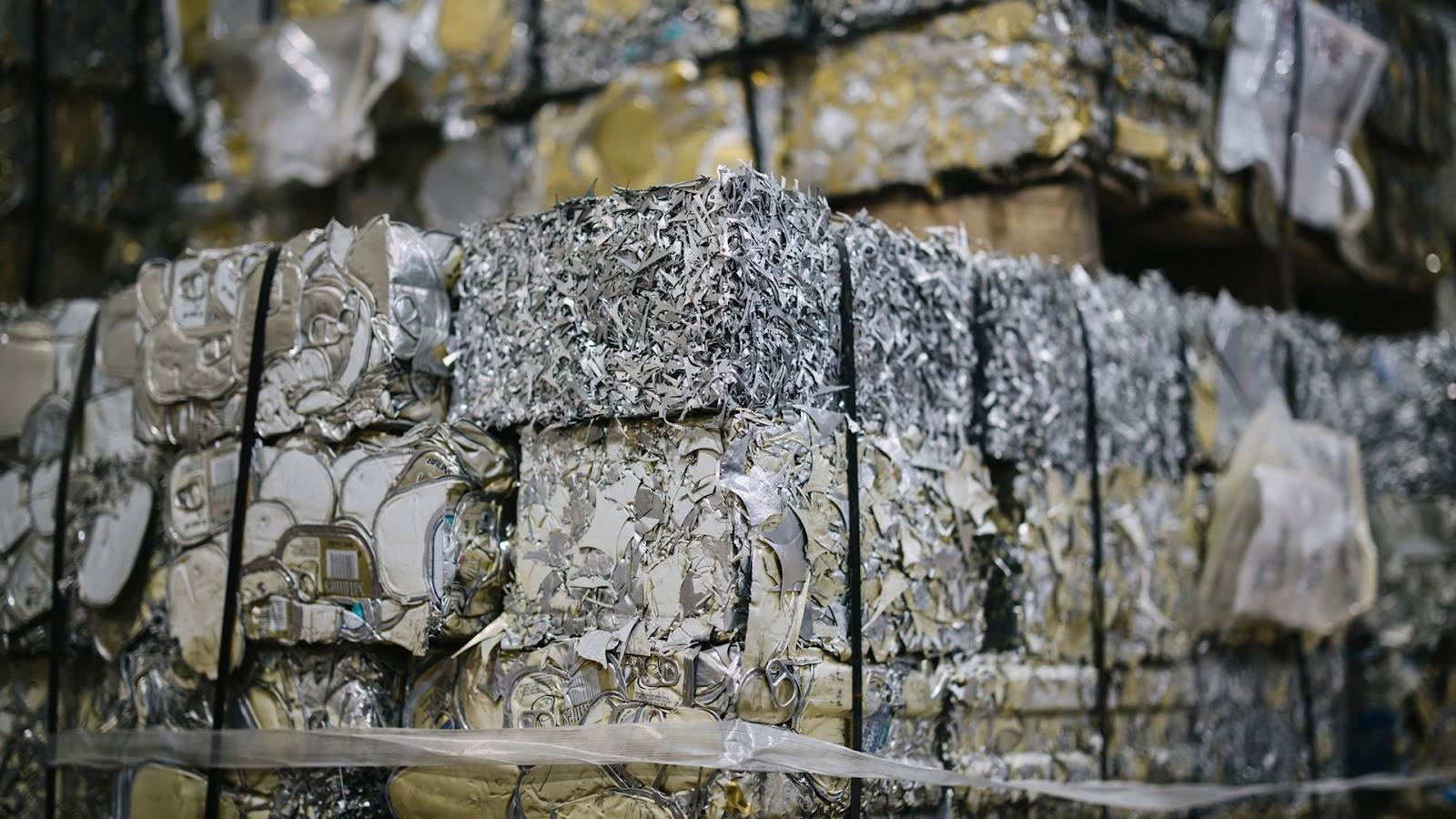
Manufacturers are increasingly looking for partners who can support both performance and environmental goals at the same time. Higher scrap utilization and more energy-efficient processes aren’t just good for reporting — they often lead to better material efficiency and a lower overall footprint.
As expectations continue to rise, smarter material choices are becoming part of what defines a strong aluminum strategy.
Turning a New Plan Into a Stronger Foundation
A new year doesn’t require reinventing everything. But it does invite a closer look at the foundations your plans are built on.
The right aluminum partner should reduce risk, support growth, and evolve alongside your business. That means capacity you can count on, supply that’s close to home, and processes designed with the future in mind.
When those elements are in place, planning becomes less reactive and more intentional — exactly where most manufacturers want to be heading into 2026.
Why Golden Aluminum Fits the Plan
At Golden Aluminum, these priorities shape how we invest, operate, and plan for the future.
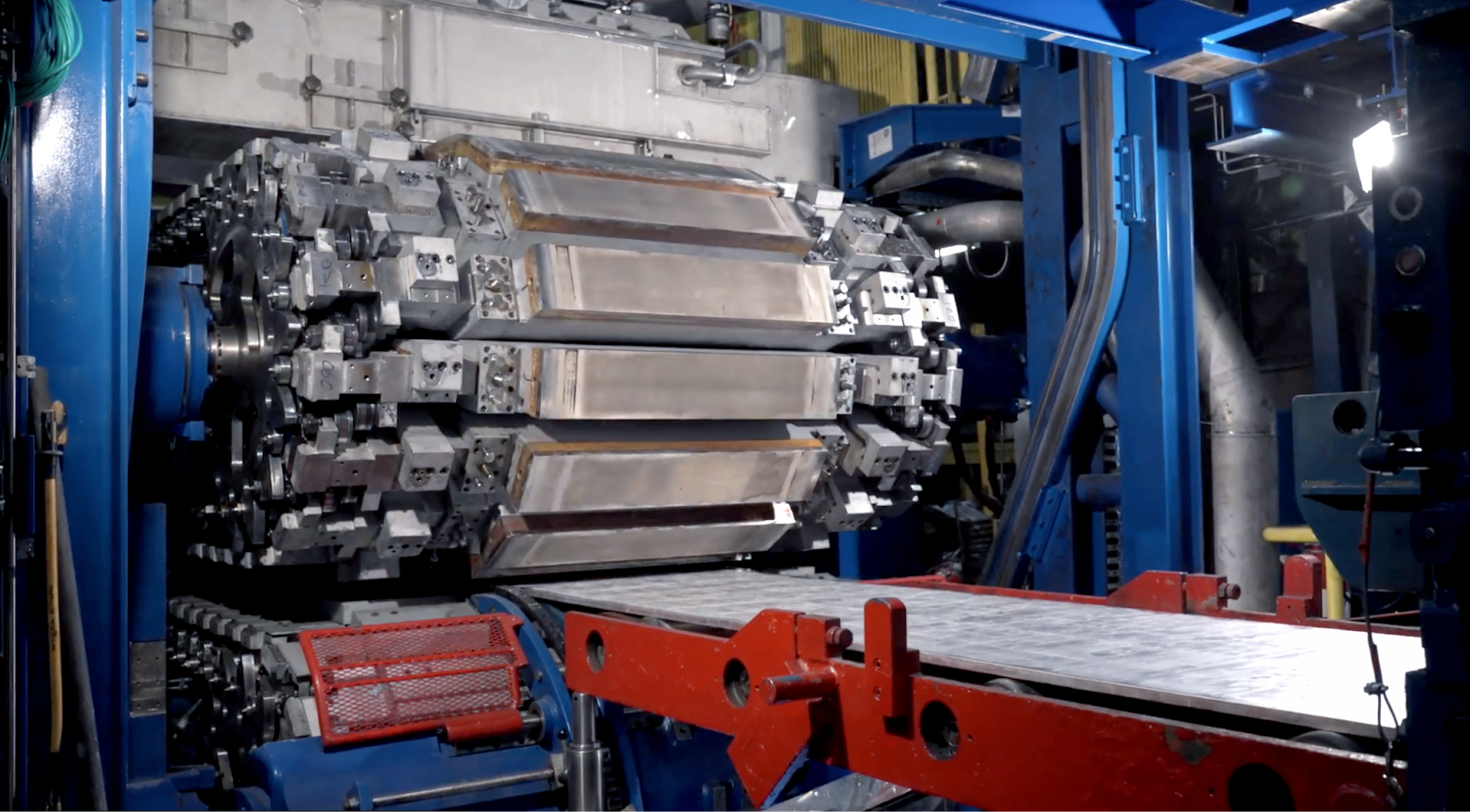
With Nexcast® continuous casting technology, we’ve strengthened the fundamentals manufacturers care about most — capacity, reliability, domestic supply, and sustainability.
Just as important, we pair that technology with a team focused on understanding our customers’ needs and responding quickly when it matters.
Nexcast® was designed to support long-term planning by delivering:
- Reliable capacity through modern continuous casting, helping support consistent throughput and fewer production constraints
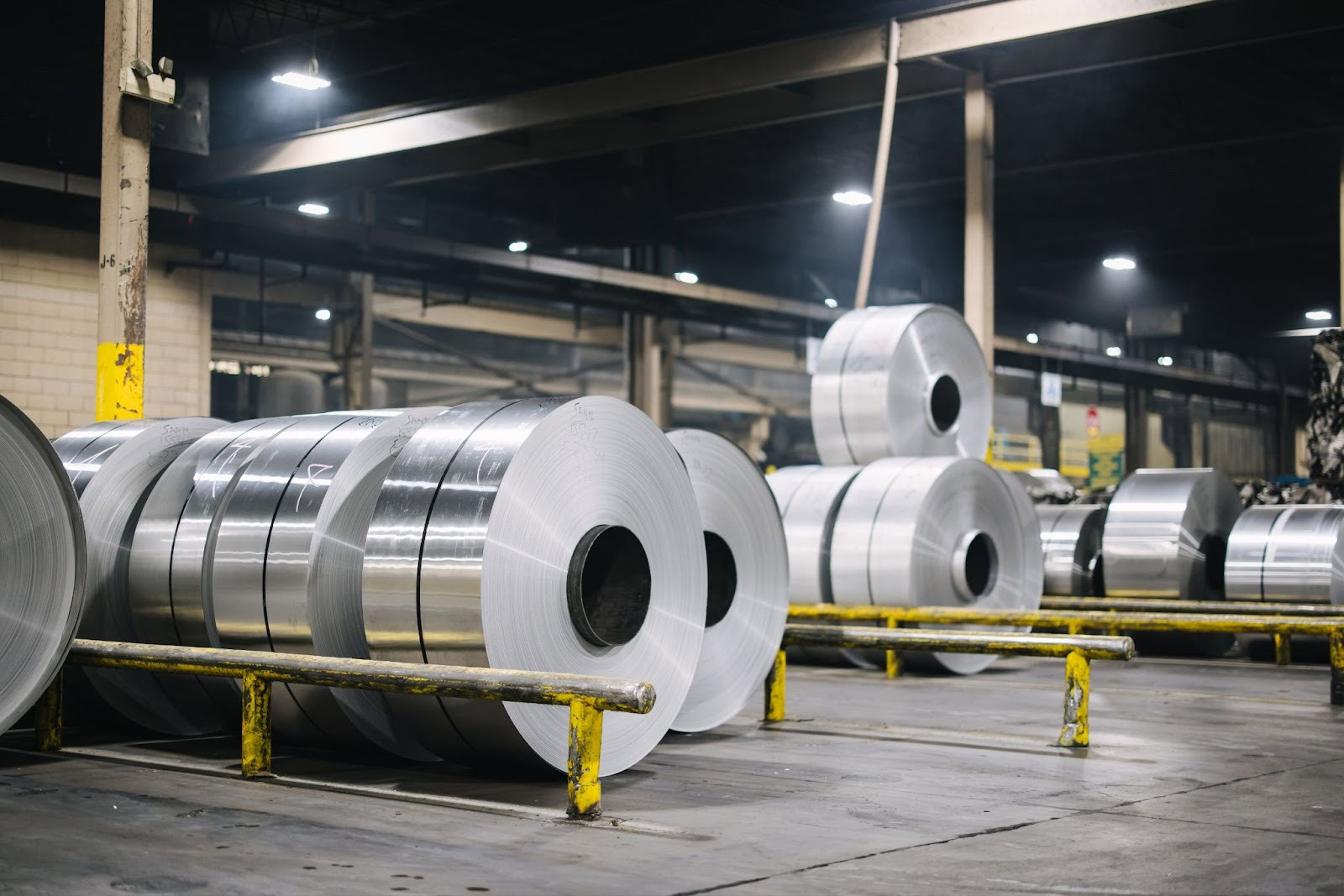
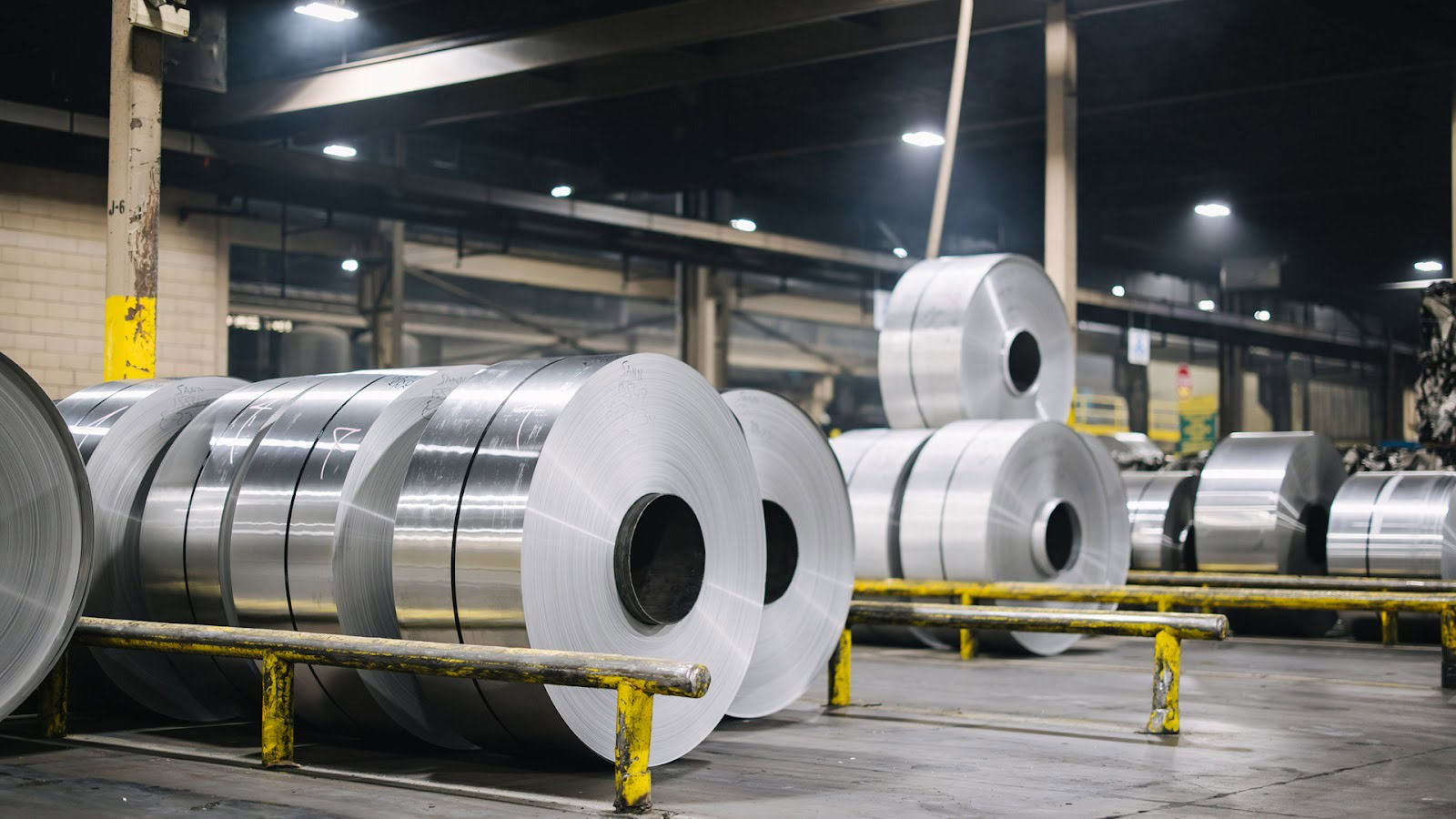
- Domestic flat-rolled aluminum production from our Fort Lupton, Colorado facility, offering stability and responsiveness close to home
- Smarter energy use and higher scrap incorporation, supporting both performance goals and sustainability targets
- Operational flexibility, including on-the-fly alloy changes that allow faster response to customer needs
Nexcast® isn’t just about keeping pace with demand. It’s about building a stronger foundation for the future of flat-rolled aluminum — supported by people who understand your business and work alongside you to keep plans on track.
If you’re revisiting your aluminum strategy as part of your 2026 planning, we’re always open to a conversation.
The right plan starts with the right partner.