This is What Actually Happens at Golden Aluminum
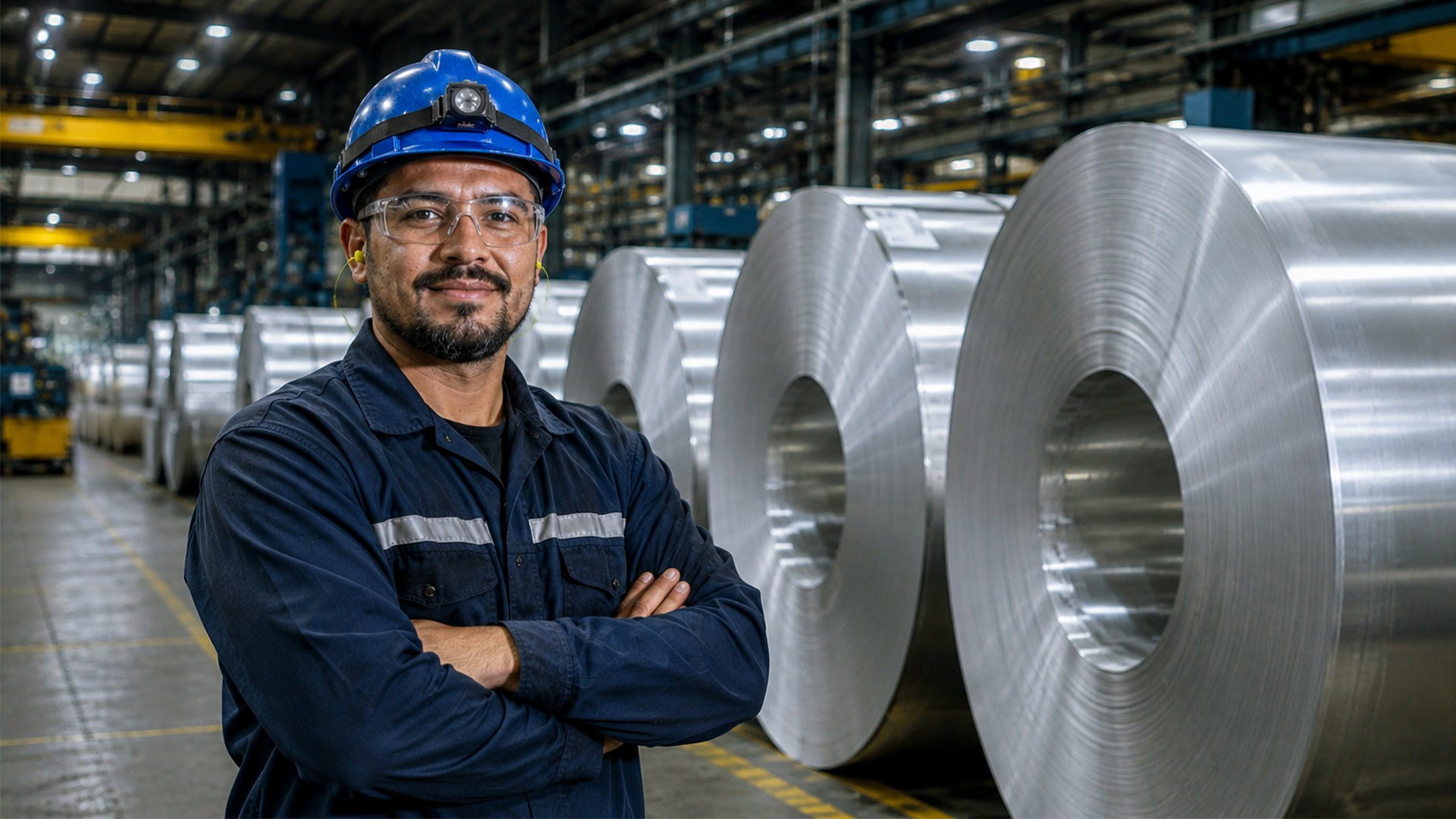
Happy National Manufacturing Day! For those of you who might not be familiar, on the first Friday of October (and the entire month in general) we celebrate the people and processes behind everyday products all over the country. This grassroots movement started in 2011, with the goal of challenging outdated perceptions of manufacturing and informing younger generations about the latest advancements across various industries. Roughly 13 million Americans work in manufacturing, which contributes more than $2.9 trillion to the U.S. economy per year. In honor of it, we thought we could contribute by pulling back the curtain and sharing a detailed breakdown of everything that happens inside our Fort Lupton, Colorado mill to turn primary aluminum into finished products.
Trusting the Process
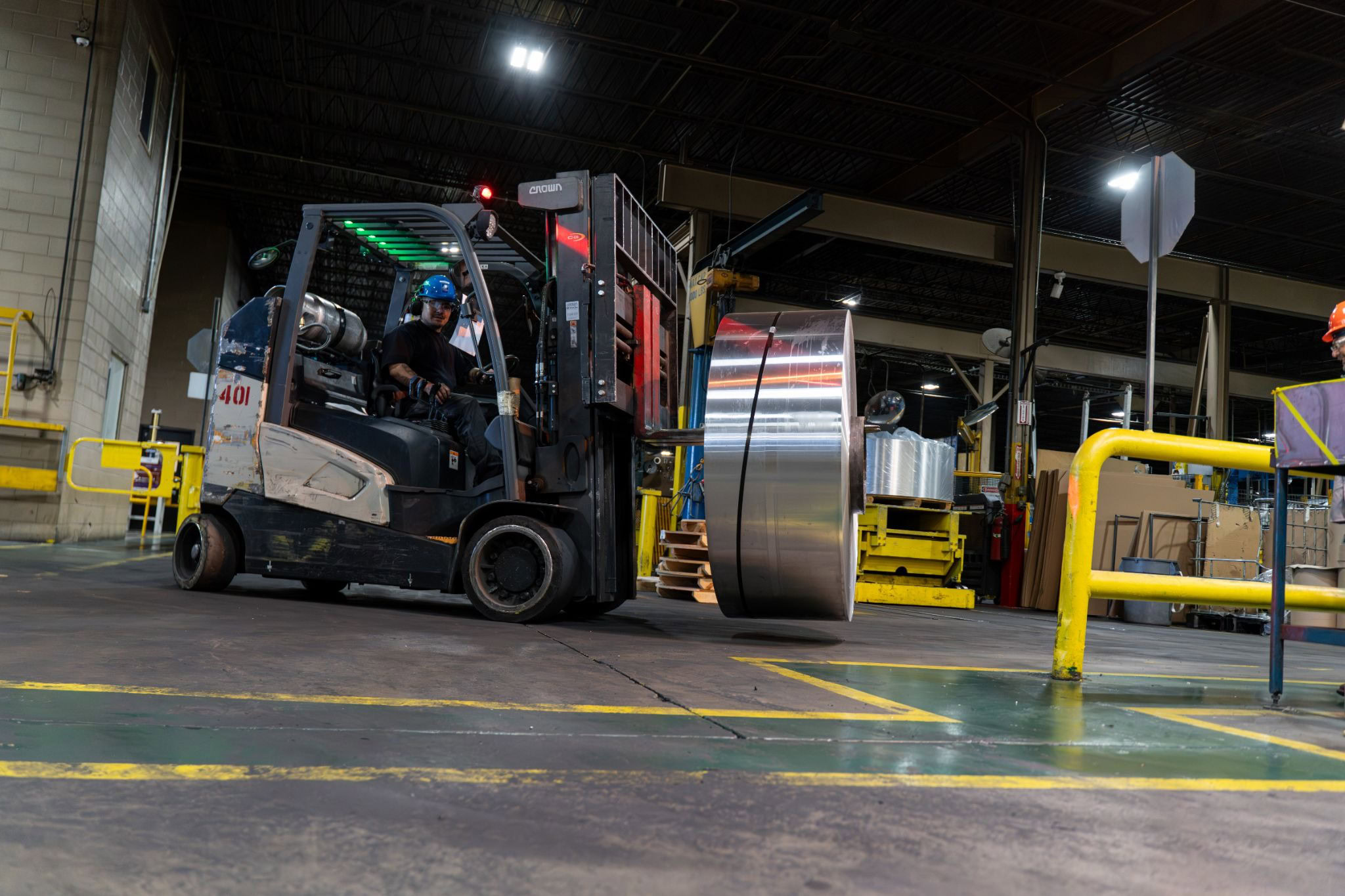
Most of what goes into our furnace has already had a first life. We source scrap from across the country and recycle it back into usable material. Golden Aluminum’s process incorporates up to 70% scrap into every batch. What we don’t source through this channel, we supplement with primary aluminum, which starts its journey differently: mined as bauxite, a reddish mineral found in tropical regions, then refined into alumina and transformed into pure aluminum through smelting, a process that uses electricity to separate aluminum from oxygen. Smelters cast that aluminum into large slabs, and Golden Aluminum purchases it in ingot form to bring into our own process. Either way, it’s only once that aluminum exists that Golden Aluminum steps in.
Step 1: Melting
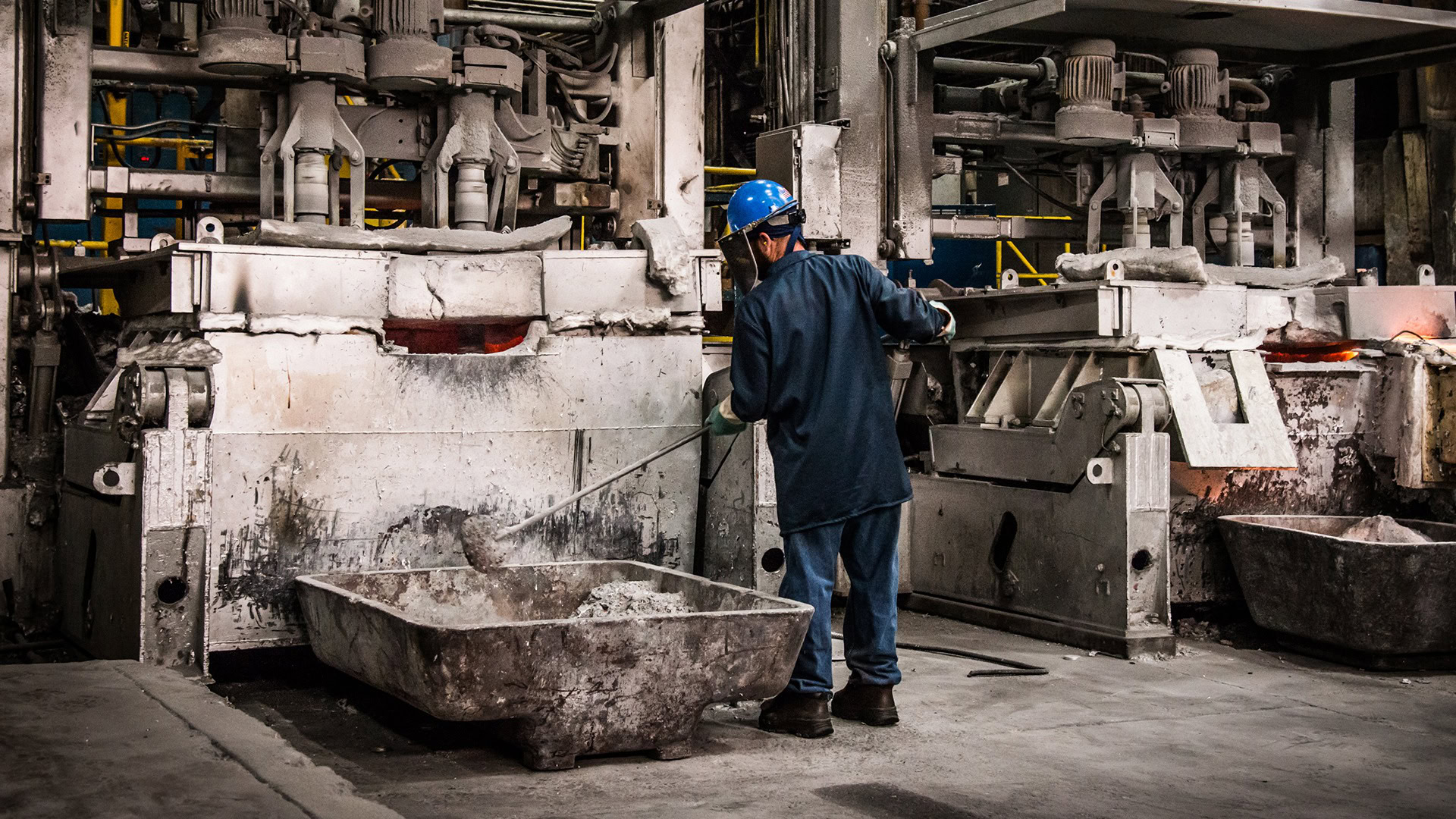
Scrap and primary aluminum are melted down together in the furnace, and this is also where the alloy itself takes shape. Before any metal is put into the furnace, the target alloy has already been decided, and the mix of scrap, prime aluminum, and alloying elements is calculated to match it. Samples are tested along the way, and additional hardening agents are added as needed to bring the composition precisely up to spec. All of them fall into one of two different series:
- 5000-Series: Magnesium/manganese-based alloys known for medium-high strength, strong corrosion resistance, and excellent weldability; the primary series behind Golden Aluminum’s packaging products. These include:
- 5182 for beverage can tabs and ends
- 5082 & 5352 for food packaging
- 5017 for general packaging
- 3000-Series: Manganese-based alloys known for high formability and corrosion resistance; used more for building products and specialty applications. These include:
- 3004 for common alloy specialties and building products
- 3105 for residential siding, gutters, etc
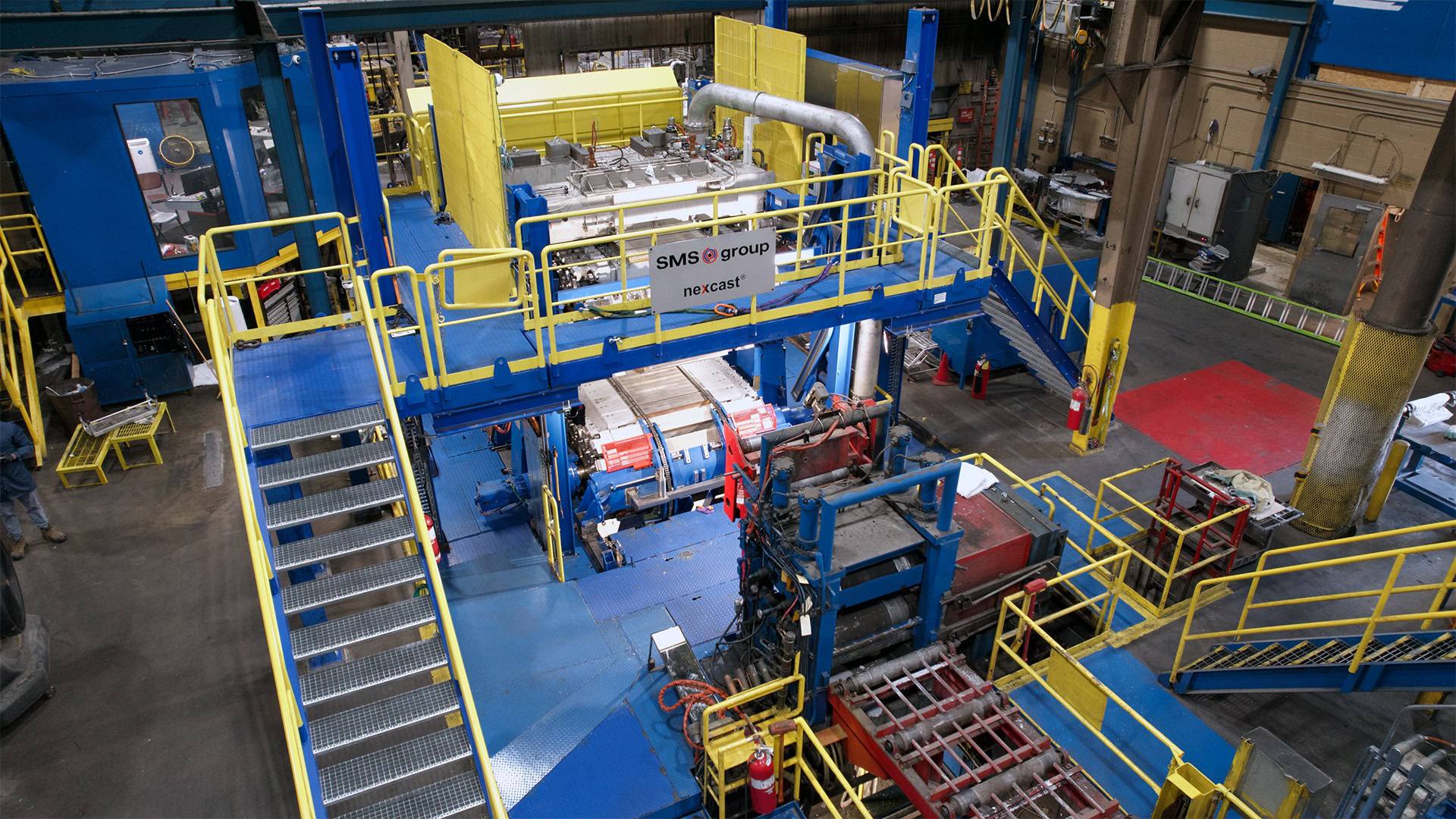
Step 2: Continuous Casting — Nexcast®
Traditionally, molten aluminum goes through a long journey before it’s usable: cast into ingots, cooled, stored, reheated, scalped, and finally rolled. With Nexcast®, it’s a whole different story. The molten aluminum is converted directly into a thin strip and then into a hot-rolled coil in one continuous, uninterrupted process, hence the name continuous casting. The entire system, from melting to coiling, spans just 175 feet. A process that traditionally requires multiple separate stages, equipment lines, and steps happens here in a footprint you could walk in under a minute. It’s not only a space-saver; it’s the reason the process uses less energy, less water, and produces a lower carbon footprint than conventional casting methods.
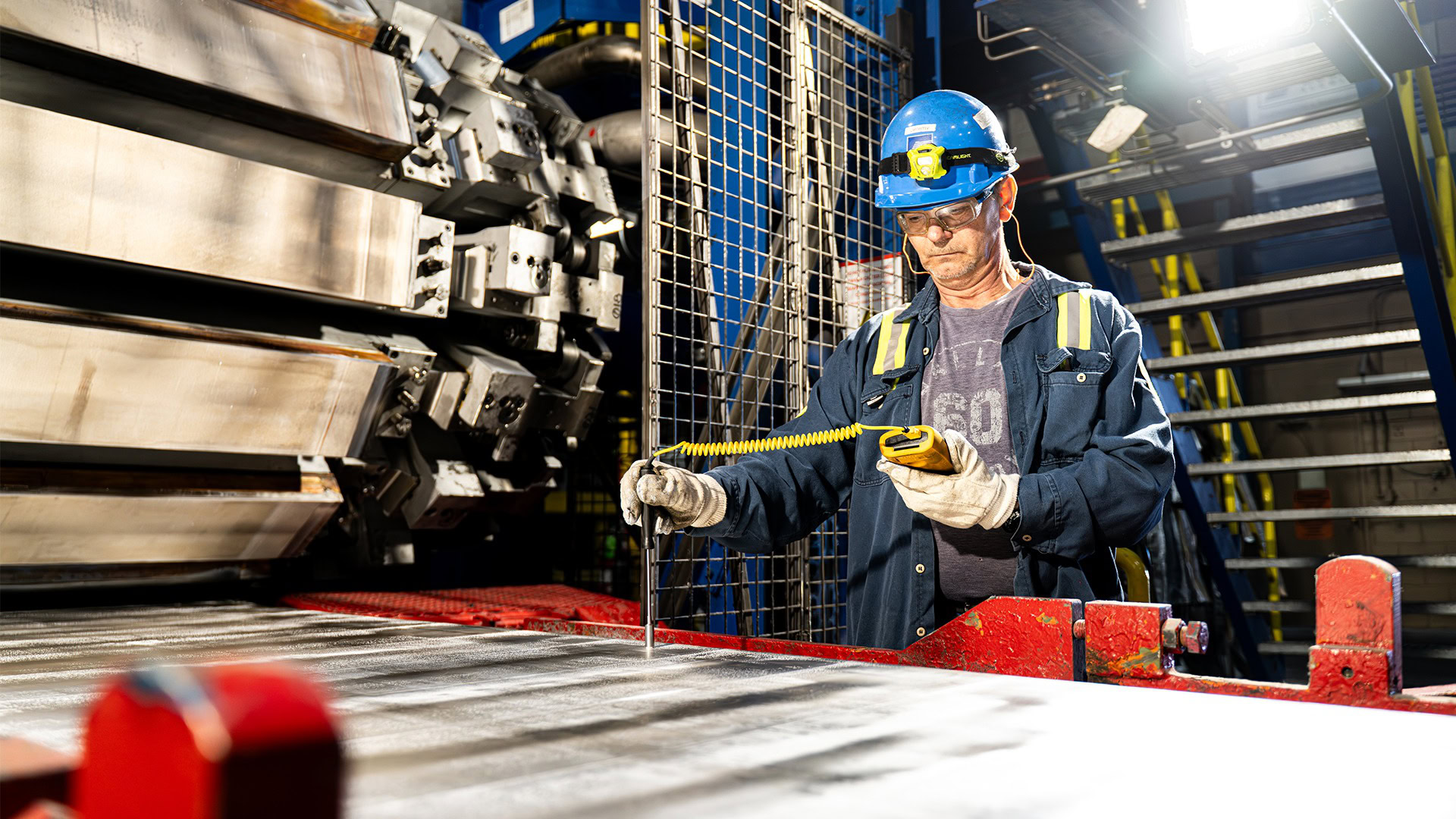
Step 3: Cold Rolling
Once the hot coil comes off the caster, it’s rolled down to an exact thickness. Golden Aluminum’s mill-finish products range from .007″ to .063″ thick, in widths up to 30″, a range wide enough to serve everything from ultra-thin packaging applications to heavier-duty industrial products.
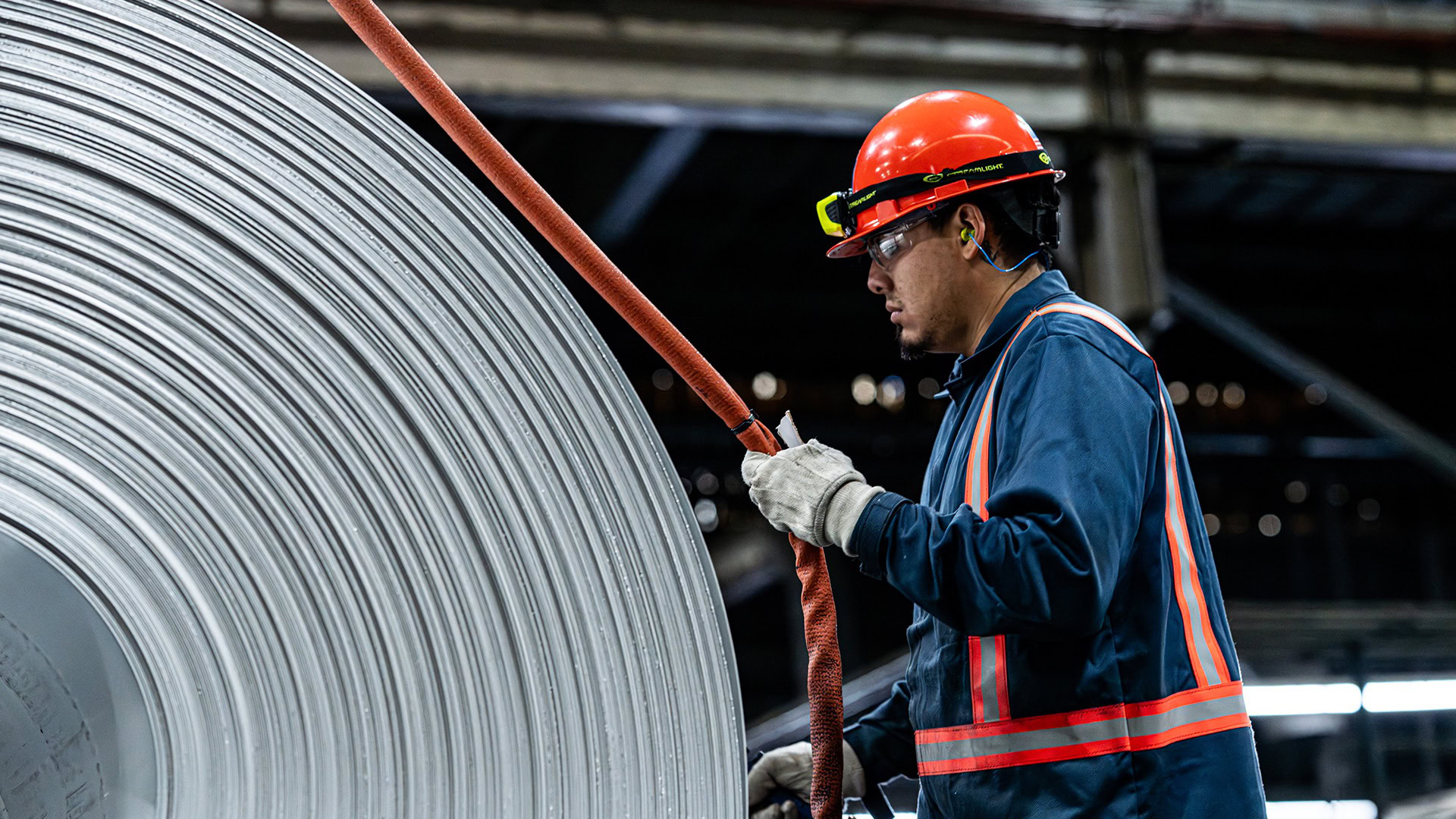
Step 4: Coating (Where Applicable)
For products headed toward packaging or closures, the coil goes through a coating stage, brought down to even thinner thicknesses, as fine as .007″ to .022″. Coating isn’t just cosmetic; it adds a layer of protection against moisture, oxygen, and general wear, which matters when the end product is protecting something like food or beverage.
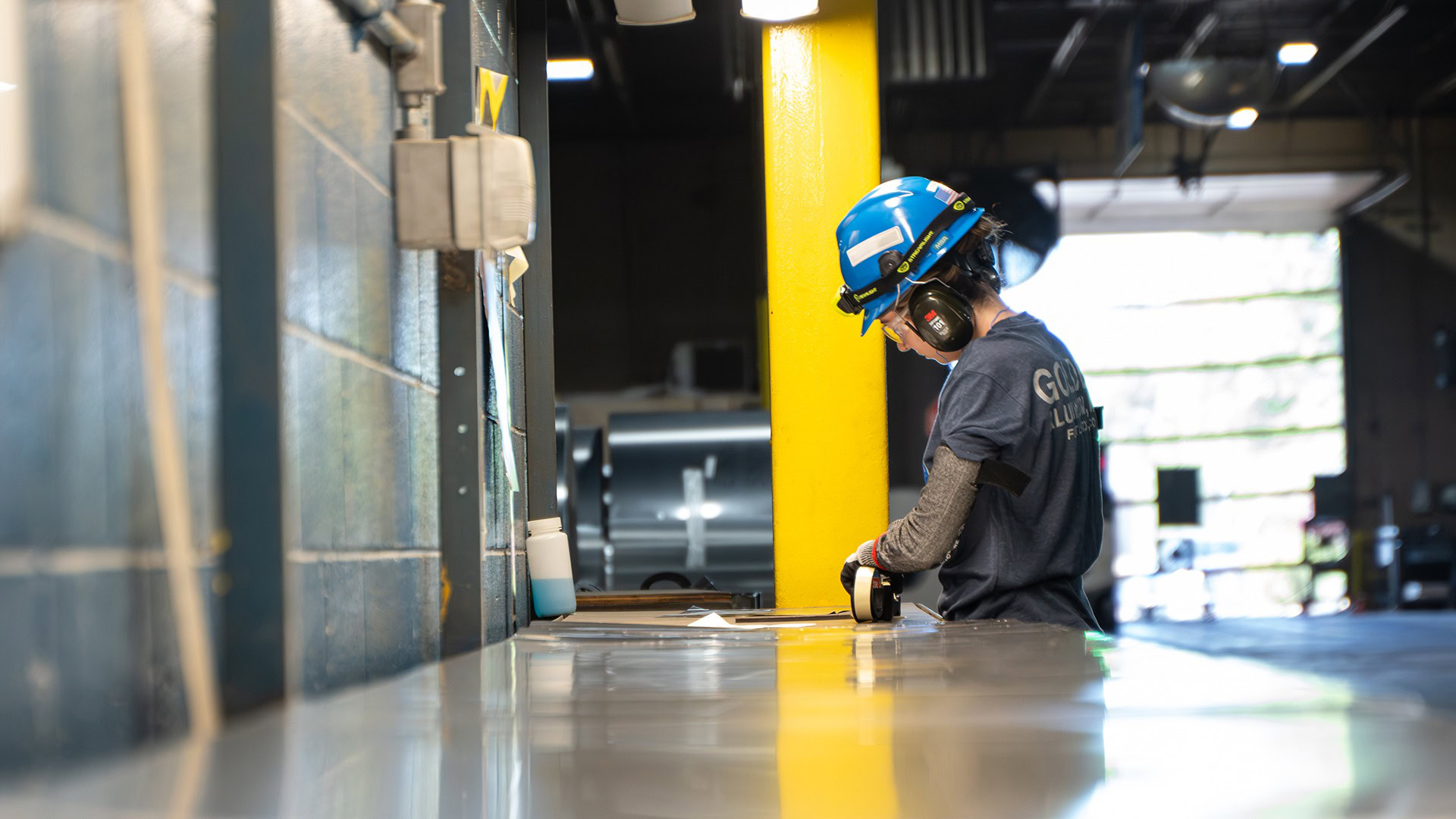
Step 5: Quality Check and Shipping
Before anything leaves the mill, every coil goes through a final round of quality checks; verifying gauge, mechanical properties, finish, and coating quality. Once it passes, the coil is matched to its final form and destination, packaged, and shipped out, ready to drop straight into the customer’s own operation.
Pushing the Industry Forward
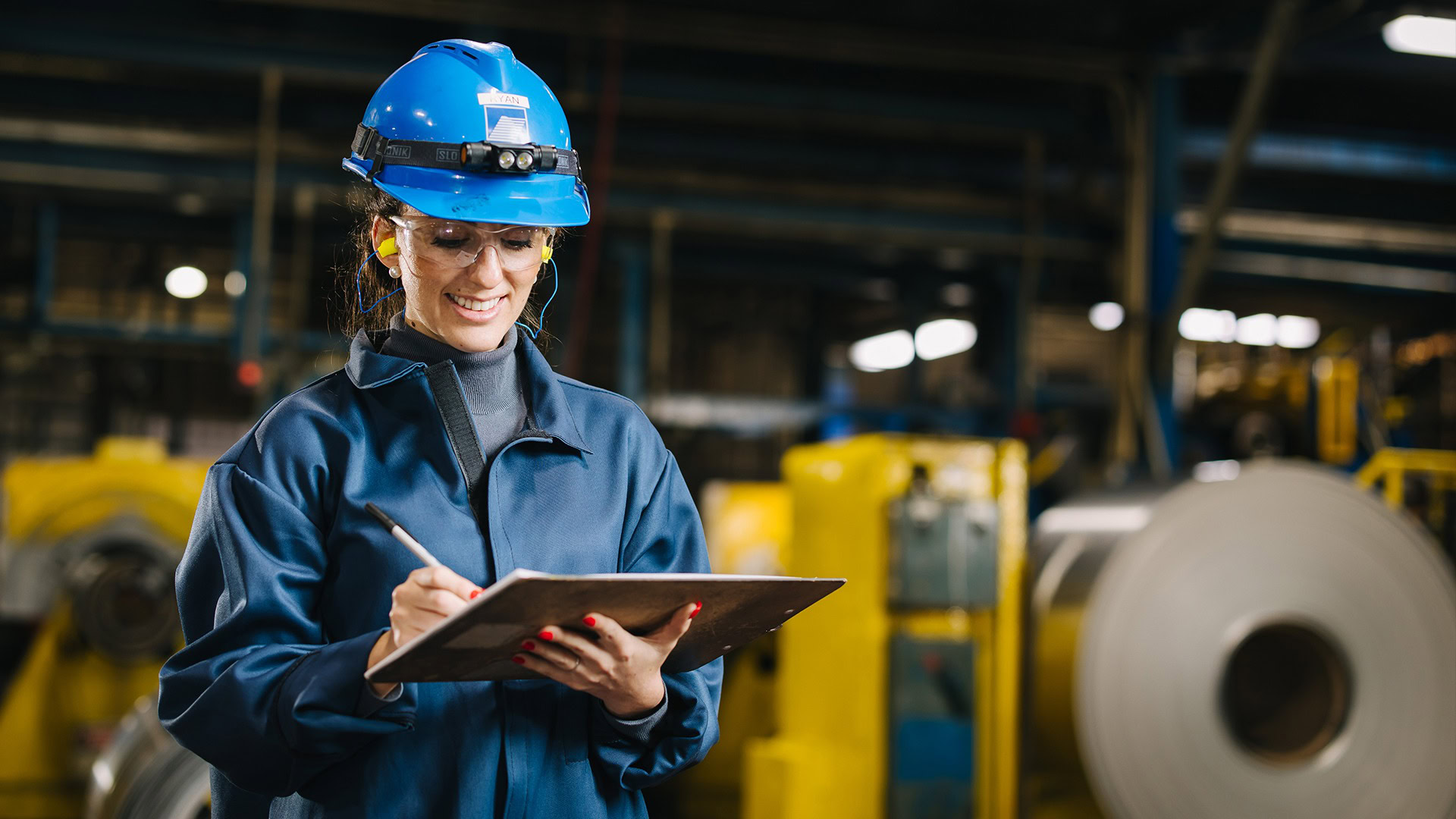
As you can probably tell, we’re very proud of what we do here at Golden Aluminum. Forty-plus years of continuous casting expertise got us here, and Nexcast® is the latest step forward. Because maximizing efficiency and sustainability is a goal we never stop chasing.
And the numbers back it up. Compared to traditional direct-chill casting, Nexcast® uses 12% less electrical energy and 23% less natural gas, all while cutting water usage by more than 80%. That all adds up to a carbon intensity much lower than the industry average. These figures aren’t hypothetical either, they’re the tried and true result of a system that’s been working and proving itself at our Fort Lupton mill for over a year.
For our customers, this all translates into a faster turnaround, a wider range of available alloys, and a supply chain built on a process that’s made to waste less at every step. That’s the story we wanted to share with you this Manufacturing Day. Not just what we make, but how we make it. Because we believe that the process is just as important as the result. Aluminum manufacturing has changed a lot since bauxite was first pulled out of the ground almost three-hundred years ago, and it’ll keep changing. But our standards and our purpose always remain the same.
To the millions of Americans who make our industries run, and to the next generation considering a future in manufacturing, we hope we taught you something new, and perhaps even lit a spark of inspiration or curiosity in you. If you’re interested in seeing more of what goes on inside our mill, or want to talk about how our aluminum could fit into your next project, we’d love to hear from you.
Sources:
Aluminum Association. (n.d.). Rolling aluminum: From the mine through the mill. https://studylib.net/doc/18136640/rolling-aluminum—the-aluminum-association
Earth Magazine. (n.d.). March 23, 1821: Bauxite discovered. https://www.earthmagazine.org/article/march-23-1821-bauxite-discovered/
European Aluminium Association. (n.d.). TALAT lecture 3210: Continuous casting of aluminium. https://www.aluminium-guide.com/wp-content/uploads/2020/01/3210.pdf
Golden Aluminum. (2025, June). Nexcast is getting a major upgrade. https://goldenaluminum.com/nexcast-is-getting-a-major-upgrade/
Golden Aluminum. (n.d.-a). Capabilities. https://goldenaluminum.com/capabilities/
Golden Aluminum. (n.d.-b). Nexcast®: Innovation by aluminum suppliers & mills for a sustainable future. https://goldenaluminum.com/nexcast-revolutionizing-the-aluminum-industry-for-a-sustainable-future/
Light Metal Age Magazine. (2025, December 10). Golden Aluminum advances continuous casting with optimized Nexcast blockcaster. https://www.lightmetalage.com/news/industry-news/flat-rolled-sheet/golden-aluminum-advances-continuous-casting-with-optimized-nexcast-blockcaster/
National Association of Manufacturers. (2026). Facts about manufacturing. https://nam.org/mfgdata/facts-about-manufacturing-expanded/
National Institute of Standards and Technology. (n.d.). Manufacturing Day – Its genesis and evolution. https://www.nist.gov/blogs/manufacturing-innovation-blog/manufacturing-day-its-genesis-and-evolution
ScienceDirect. (n.d.). 5000-series alloy. In ScienceDirect topics. https://www.sciencedirect.com/topics/engineering/5000-series-alloy
Wikipedia contributors. (n.d.). Continuous casting. In Wikipedia. https://en.wikipedia.org/wiki/Continuous_casting