
The Things Nobody Wants to Talk About in Aluminum Supply

(But everyone deals with them.)
If you’re in manufacturing, you already know the truth: most supply plans don’t break in dramatic ways.They break in quiet, expensive, deeply inconvenient ways.
Not in big meetings.
Not in kickoff decks.
Not in the parts anyone likes to put in writing.
But once the year moves from planning to execution, these realities have a way of showing up anyway.
This article isn’t here to create anxiety. It’s here to name what experienced teams are already managing—so you can plan more deliberately, ask better questions, and reduce surprises.
Because in the end, nobody buys aluminum for its own sake.
They buy certainty: that the right material shows up, on time, in spec, and at the scale they need.
1) “Capacity” that exists… until you test it
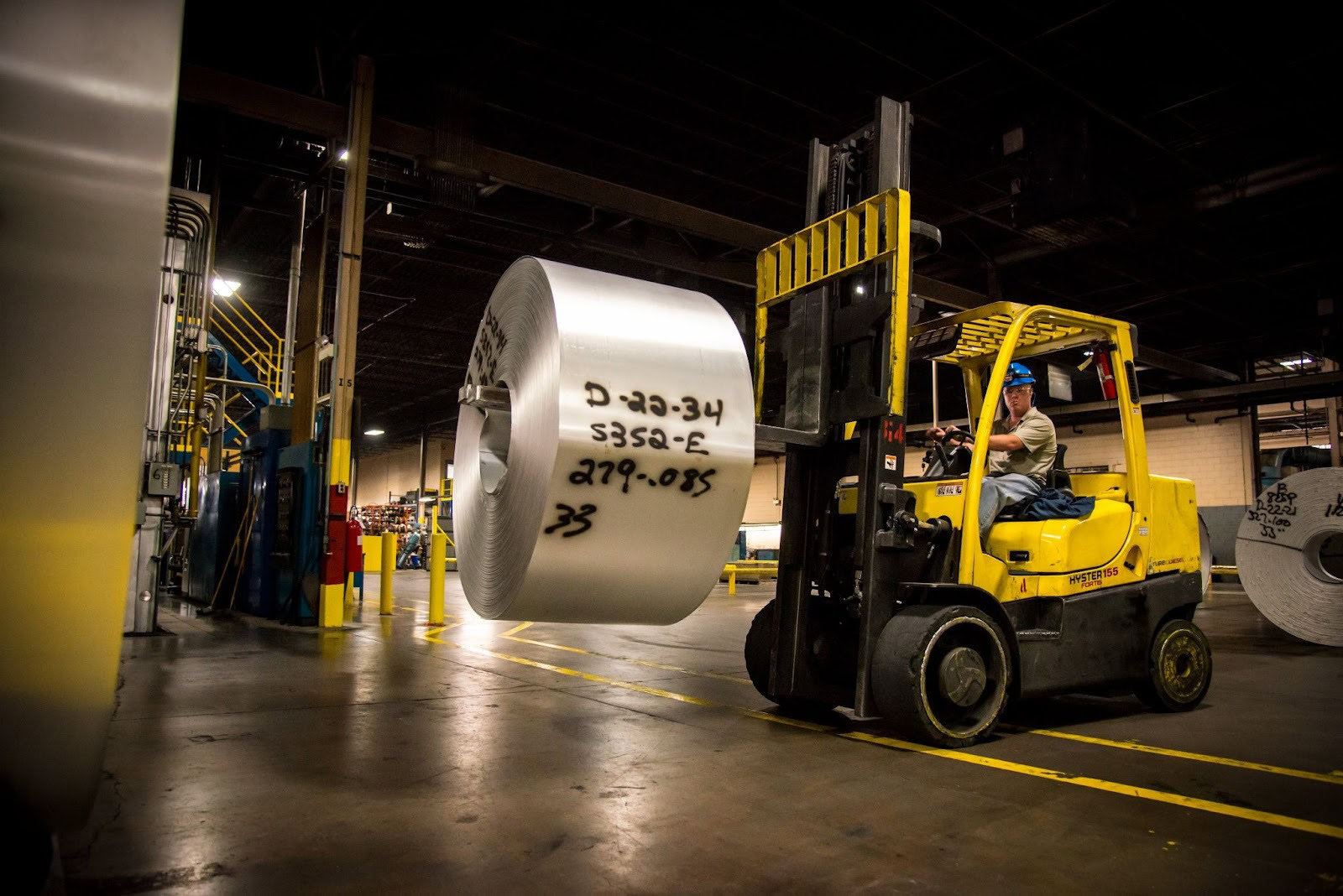
There’s a version of capacity that looks great on paper. Then there’s usable capacity—the kind you can actually plan around when demand rises, schedules tighten, or priorities shift.
When a supplier is constrained, the symptoms don’t always look like a crisis. They look like:
- orders pushed to “next window”
- shorter runs that don’t match what you forecasted
- a lot of “we’re working on it”
What to ask instead:
- Where are your constraints today—and what’s been done to remove them?
- How do you protect throughput when demand spikes?
- What improvements have you made recently to increase reliable output?

2) The quiet creep of lead times
Lead times don’t always jump overnight. Sometimes they stretch by a day here, a week there, and suddenly your “normal” planning window isn’t normal anymore.
The challenge isn’t just the delay—it’s that the delay often arrives late in the process, when downstream commitments have already been made.
What to ask instead:
- How far ahead do you need forecasts to be meaningful?
- What changes lead times the most: mix, alloy, volumes, scheduling?
How do you communicate risk early—before it becomes a surprise?

3) The most expensive email in manufacturing
You know the one.
“Let me check and get back to you.”
By itself, it’s harmless. But when plans change (and they always do), responsiveness becomes a real variable in your supply chain. Slow feedback loops create uncertainty—uncertainty creates rework—and rework creates cost.
What to ask instead:
- Who owns customer responsiveness, and what does “fast” mean in practice?
- How do you handle changes in spec, mix, or volume midstream?
What does escalation look like when timelines tighten?
4) When “flexibility” means “yes… but not really”
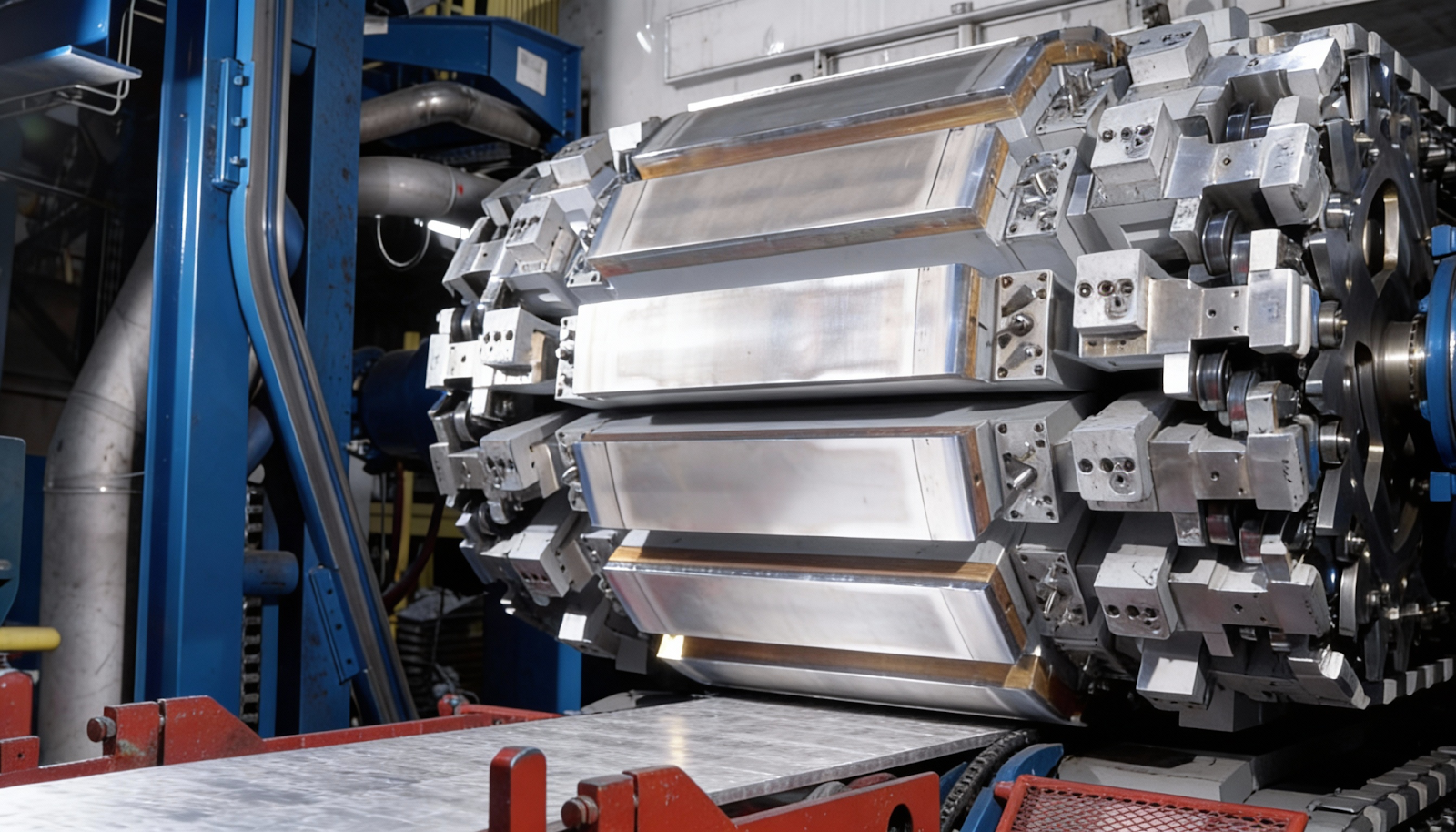
Many partners say they’re flexible. Fewer partners are flexible when it matters:
- switching alloys, adjusting product mix or changing coated aluminum color
- supporting short-turn needs
- handling changes without resetting the entire calendar
This is where the difference between a supplier and a partner becomes obvious:
suppliers perform best when everything goes as planned. Partners perform when the plan changes.
What to ask instead:
- What changes can you accommodate without major delays?
- How do you handle shifting priorities without losing stability?
What capabilities do you have that support agility (not just the intention)?

5) The hidden cost of inconsistency
Manufacturing teams don’t lose sleep over small issues because they enjoy being picky. They lose sleep because small inconsistencies compound.
In aluminum, inconsistency can show up as:
- variability across batches
- unexpected adjustments downstream
- more rework or quality holds
The cost isn’t just quality—it’s predictability. And predictability is what keeps planning from turning into firefighting.
What to ask instead:
- What controls do you have in place to protect consistency run to run?
- How do you identify drift early?
What does quality visibility look like for customers?
6) “Sustainability” that stays in the slide deck
Sustainability isn’t a buzzword anymore. It’s increasingly tied to customer expectations, reporting requirements, and long-term competitiveness.
But there’s a difference between sustainability as a statement and sustainability as an operating reality:
- energy intensity
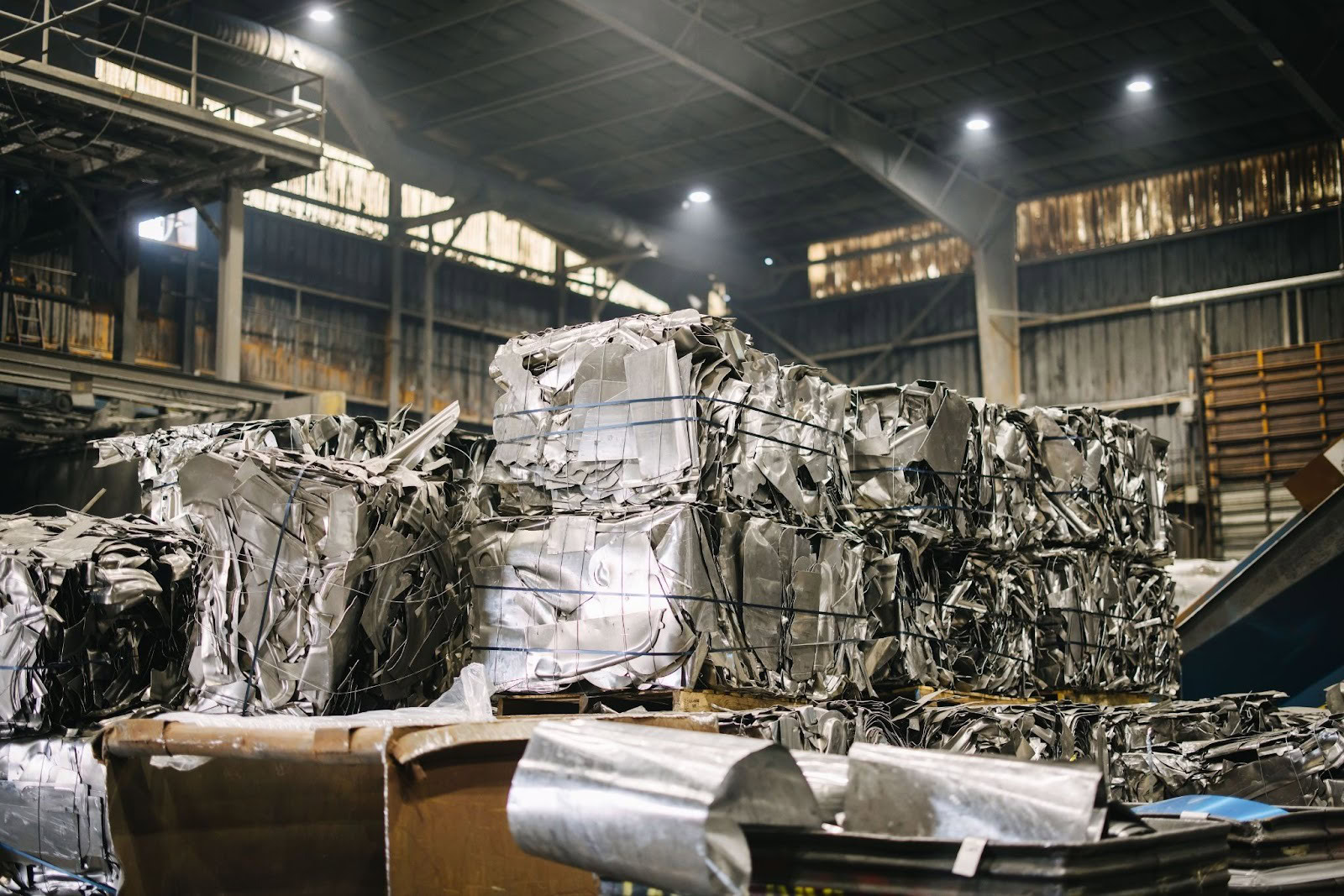
- scrap utilization
- efficient processes
- measurable improvements over time
What to ask instead:
- What does lower energy use look like operationally—not just conceptually?
- How do you incorporate scrap, and how does that affect consistency?
What controls ensure performance and sustainability goals don’t compete?
A simple takeaway: better questions create better plans
None of the items above are “gotchas.” They’re realities.
And most experienced teams don’t solve them with hope—they solve them with better partner selection and better questions.
If your 2026 planning includes growth, tighter execution windows, or more pressure on cost and sustainability metrics, then it’s worth asking:
- Can our partner scale with us without becoming a constraint?
- Will we get clarity when plans change—not silence?
- Do their capabilities support flexibility in practice?
- Is consistency protected by systems, not luck?
- Is sustainability built into the process—not just the messaging?
Because again: the real product is certainty.
Where Golden Aluminum fits
At Golden Aluminum, we recognize that aluminum is only part of what customers are sourcing. What they rely on is certainty—the confidence to plan, execute, and adapt without constant surprises.
That’s why we’ve invested in modern capabilities like Nexcast™ aluminum continuous casting, strengthened domestic operations in Fort Lupton, Colorado, and built processes designed to support consistency, responsiveness, and sustainability expectations.
In practice, that means a foundation built around:
- Reliable capacity supported by modern continuous casting investment
- Domestic supply that helps reduce variables and improve responsiveness
- Operational flexibility to better support changing needs
- A customer-focused team committed to clarity and follow-through when plans evolve
If you’re reviewing what you need from an aluminum partner this year, we’re always open to compare notes. The right plan starts with the right questions—and the right partner helps you answer them with confidence.