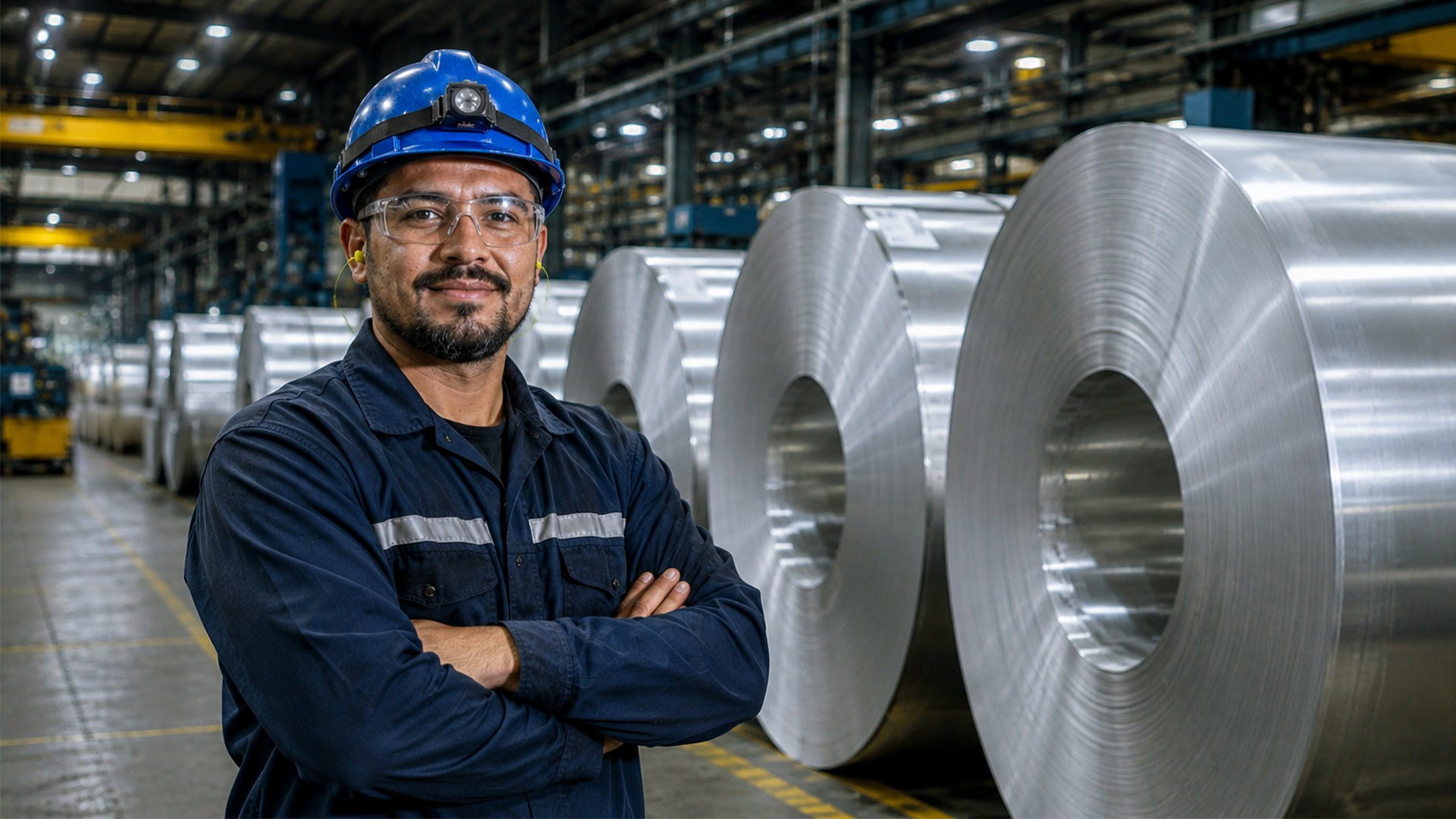
Why Domestic Aluminum Sourcing Just Got a Lot Smarter

For years, sourcing decisions in the aluminum industry came down to a familiar set of variables: price, lead time, quality, and relationship. Most buyers built their supply chains accordingly — balancing domestic and imported sources based on what made sense for their business at the time.
The rules have changed.
What happened — and what it means
In early 2025, Section 232 tariffs on imported aluminum were raised to 25%. By 2026, the scope expanded further. Today, aluminum sheet and coil imported into the United States carries a flat 50% tariff on its full value, meaning the rule is stricter and clearer, differing from only full metal value criteria some weeks ago. That’s not a rounding error. For buyers still sourcing overseas, that cost is landing somewhere — absorbed into margins, passed to customers, or quietly eroding competitiveness one order at a time.
The ripple effects are visible across the industry. Procurement teams that once relied on long-term import relationships are reassessing. Contracts are getting shorter. Supplier lists are getting broader. And one question is coming up more often than any other: is there a domestic source that can actually meet our needs?
For flat-rolled aluminum, the honest answer has often been complicated. Domestic capacity is limited, and not every mill can serve every application. But if you’re in packaging, automotive, or building products, there’s a strong case for making domestic sourcing part of your supply strategy — and more options than you might think. Golden Aluminum has been one of them, operating out of Fort Lupton, Colorado for over 40 years.
What domestic sourcing actually means in practice
The conversation around tariffs tends to focus on cost — and cost matters. But the case for domestic sourcing goes deeper than avoiding a 50% duty.
It means shorter lead times. Imported aluminum moves through ports, customs, and freight networks before it reaches your facility. A domestic mill ships directly, on a timeline that doesn’t depend on global logistics chains that have proven, repeatedly, to be fragile.
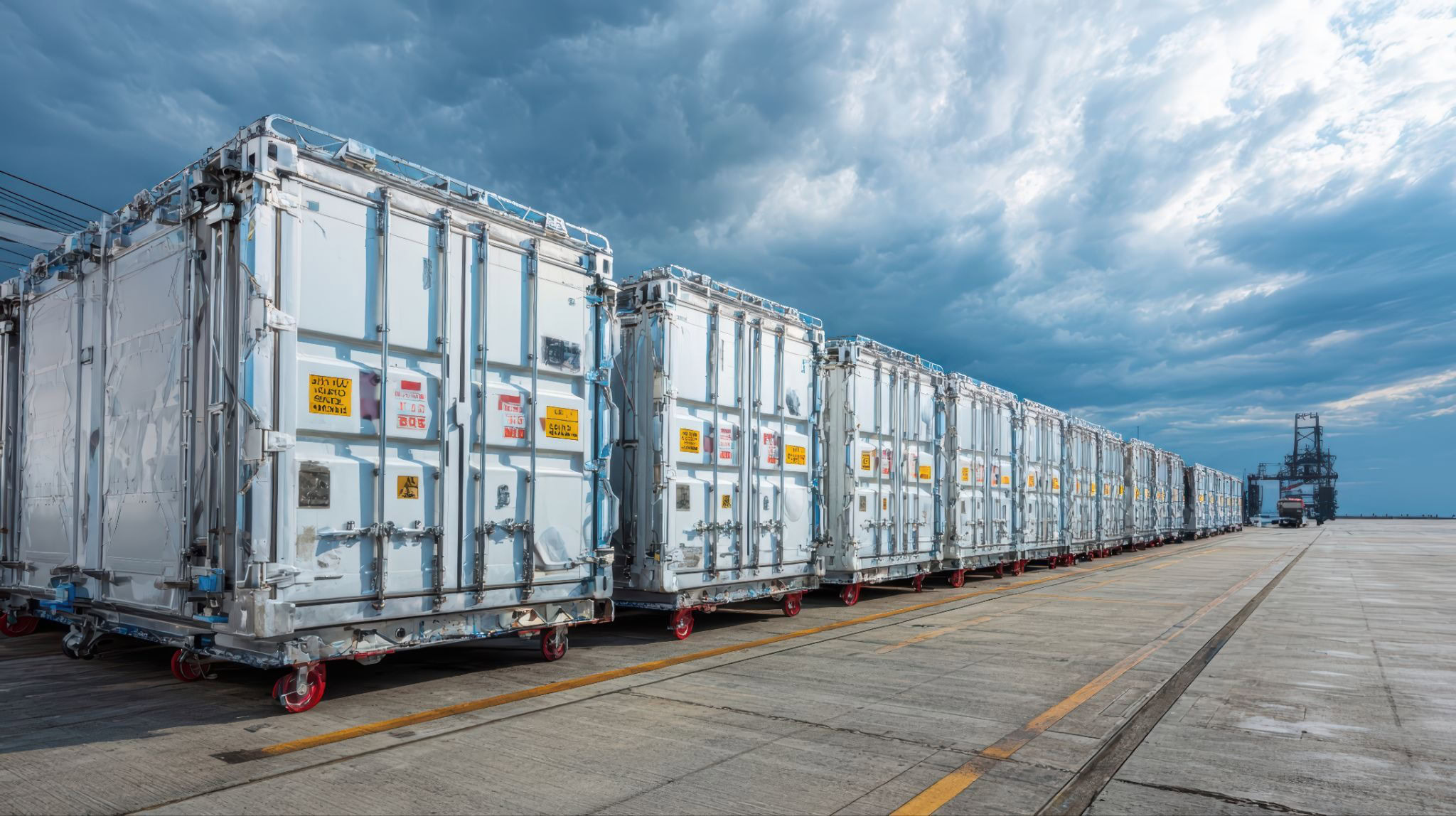
It means protecting the material itself. Ocean freight exposes aluminum coil to weeks of salt air and humidity — conditions that can cause surface oxidation and pitting that compromise quality before the metal ever reaches your floor. Domestic shipping eliminates that risk entirely.
It means supply chain predictability. When trade policy shifts — and it has shifted, dramatically, multiple times in recent years — a domestic supply isn’t exposed to the same volatility. What you agreed to is what you get.
It means traceability. As compliance requirements around country of origin become more stringent, knowing exactly where your aluminum was smelted, cast, and rolled matters more than it used to. Domestic production provides that clarity without the documentation burden that imported material increasingly requires.
And it means a supplier relationship built on proximity — the ability to have a real conversation, solve a real problem, and make a decision without a 12-hour time difference in the way. Coils made in America, by American workers, supporting American industry.
Golden Aluminum is made in America.
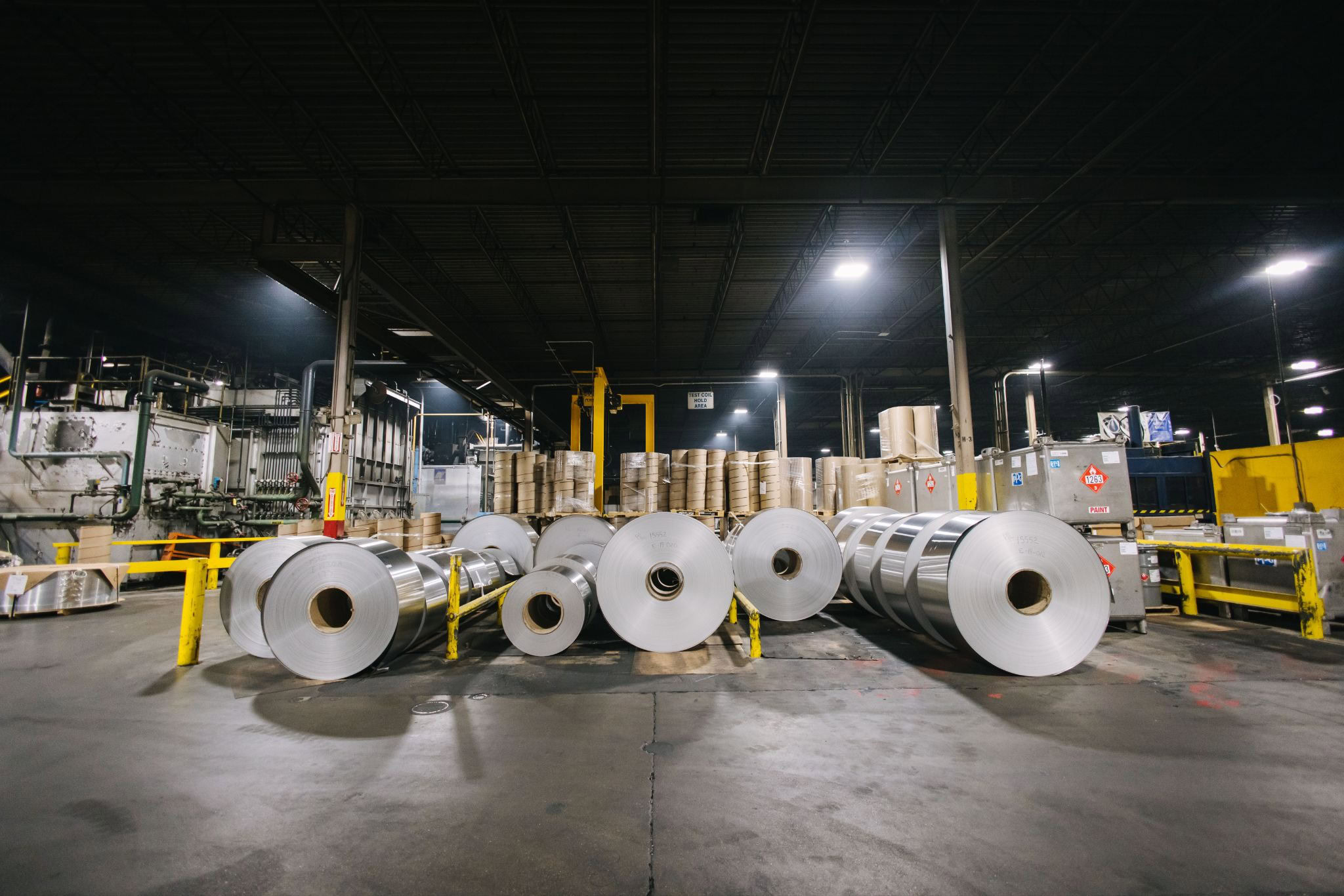
Built in Fort Lupton, Colorado, operating continuously since 1983. Every coil we produce is smelted, cast, and rolled on U.S. soil — which means our customers carry no tariff exposure on material sourced from us.
We produce flat-rolled aluminum for the packaging, automotive, and building products industries. Our Nexcast® continuous blockcaster — co-developed with SMS group — is one of the most advanced continuous casting technologies in operation, producing high-quality flat-rolled aluminum with the consistency these industries demand.
Sourcing from us also means cost predictability. No freight surcharges, no currency fluctuation, no customs delays. What we quote is what arrives — on a timeline that doesn’t depend on a global logistics chain.
And for companies with sustainability commitments, domestic sourcing reduces the carbon footprint of your supply chain meaningfully. Aluminum that doesn’t cross an ocean is aluminum that didn’t burn the fuel to get there.
The conversation worth having
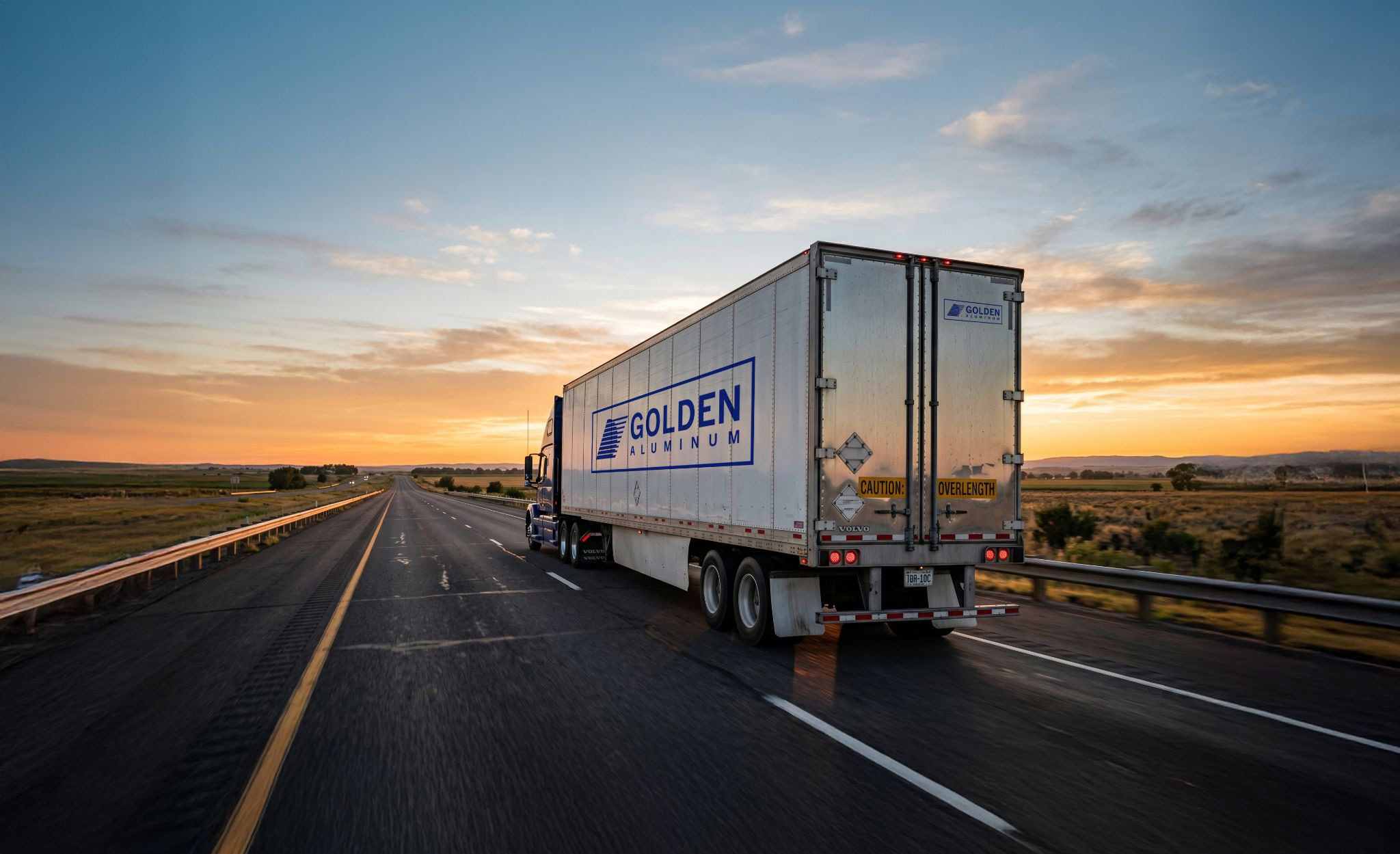
We’re not suggesting that every buyer should abandon every import relationship overnight. Supply chains are complex, and every situation is different. What we are suggesting is that if the current environment has you looking at your sourcing strategy with fresh eyes, the domestic option deserves a serious look.
Golden Aluminum is ready to have that conversation — whether you’re exploring a full sourcing shift or simply want to understand what a domestic relationship could look like for your specific application.
Find out more here -> goldenaluminum.com/capabilities