

This is What Actually Happens at Golden Aluminum
Happy National Manufacturing Day! For those of you who might not be familiar, on the first Friday of October (and the entire month in general) we celebrate the people and processes behind everyday products all over the country. This grassroots movement started in 2011, with the goal of challenging outdated perceptions of manufacturing and informing younger generations about the latest advancements across various industries. Roughly 13 million Americans work in manufacturing, which contributes more than $2.9 trillion to the U.S. economy per year. In honor of it, we thought we could contribute by pulling back the curtain and sharing a detailed breakdown of everything that happens inside our Fort Lupton, Colorado mill to turn primary aluminum into finished products.
Trusting the Process
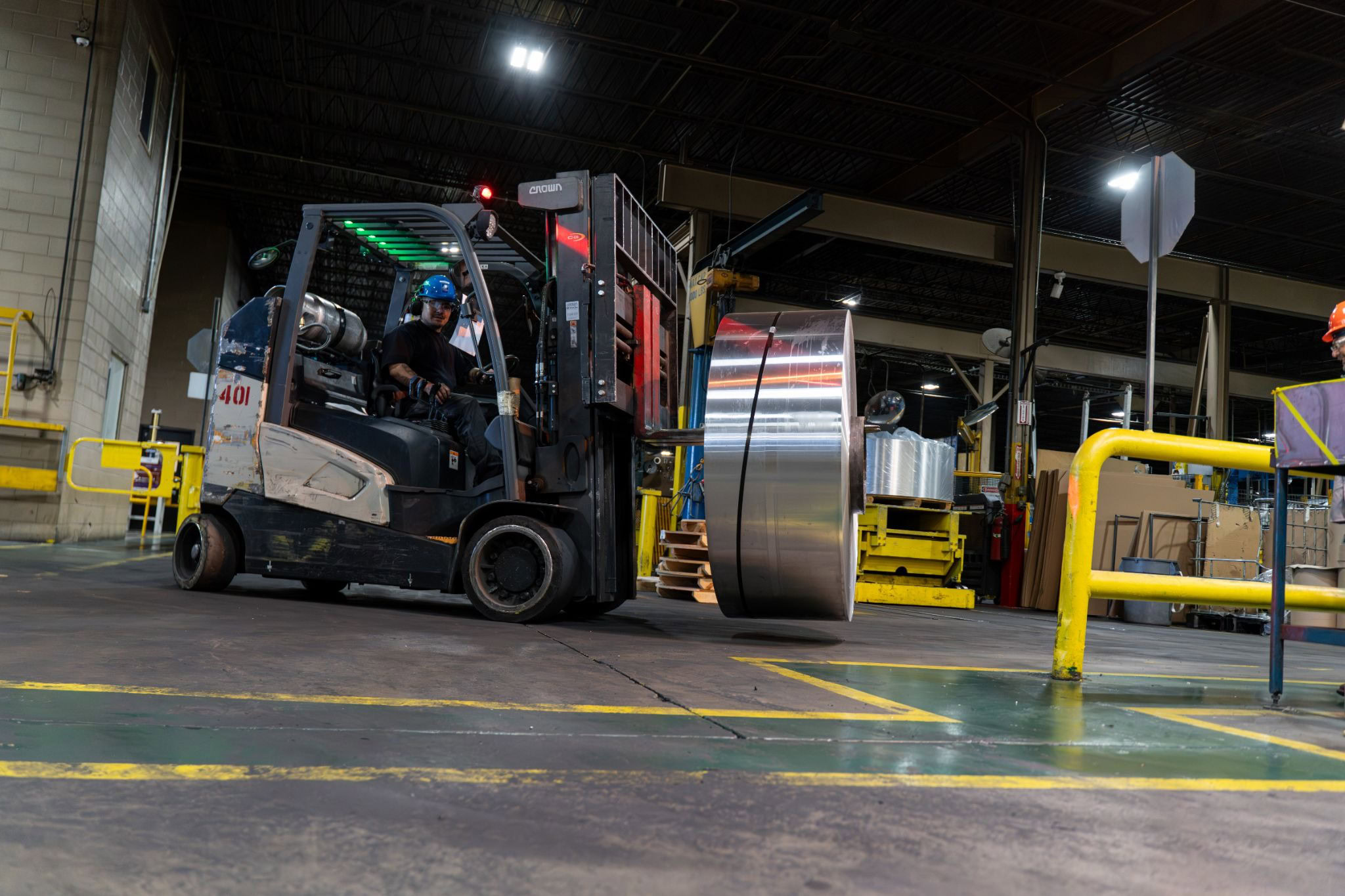
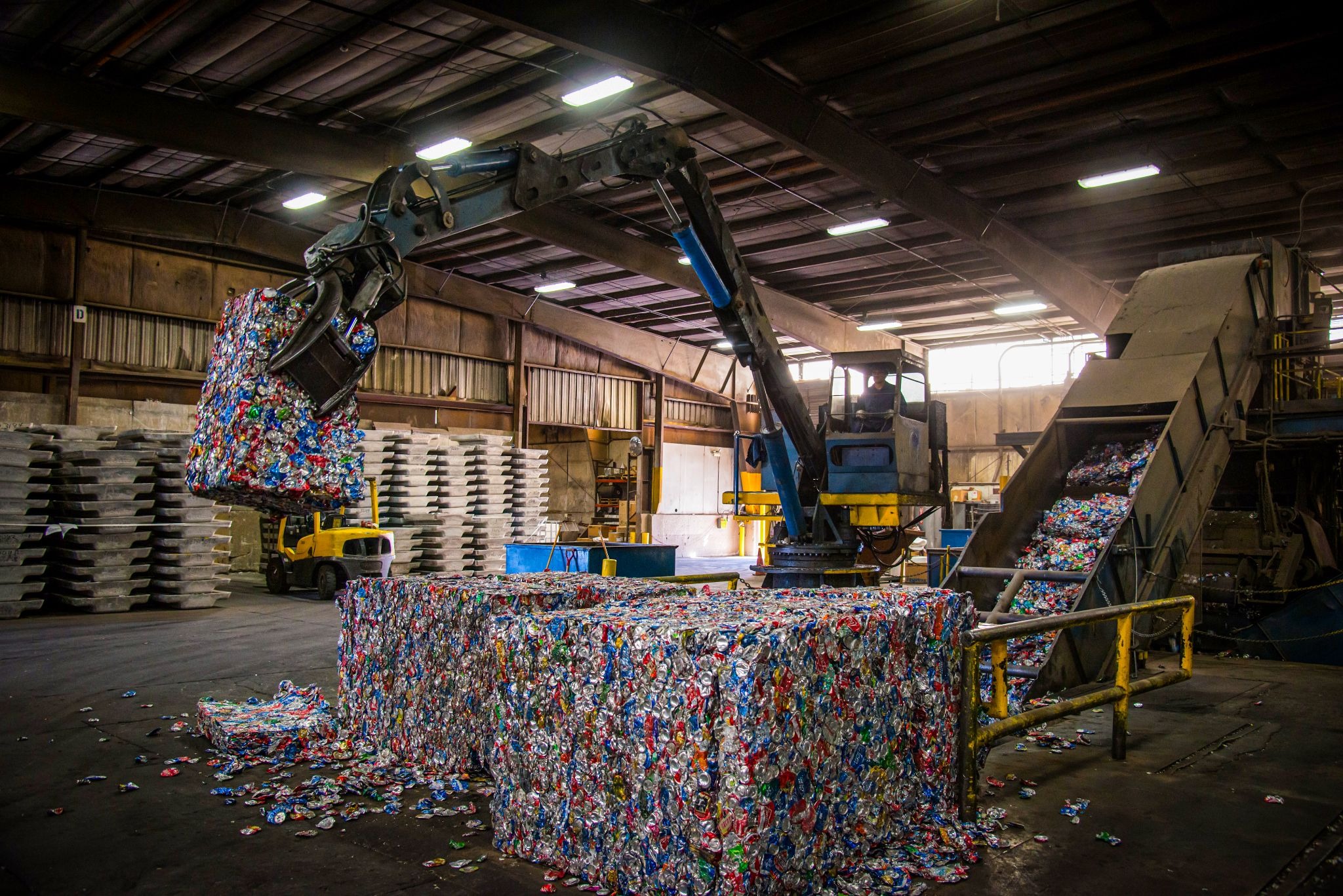
Most of what goes into our furnace has already had a first life. We source scrap from across the country and recycle it back into usable material. Golden Aluminum’s process incorporates up to 70% scrap into every batch. What we don’t source through this channel, we supplement with primary aluminum, which starts its journey differently: mined as bauxite, a reddish mineral found in tropical regions, then refined into alumina and transformed into pure aluminum through smelting, a process that uses electricity to separate aluminum from oxygen. Smelters cast that aluminum into large slabs, and Golden Aluminum purchases it in ingot form to bring into our own process. Either way, it’s only once that aluminum exists that Golden Aluminum steps in.
Step 1: Melting
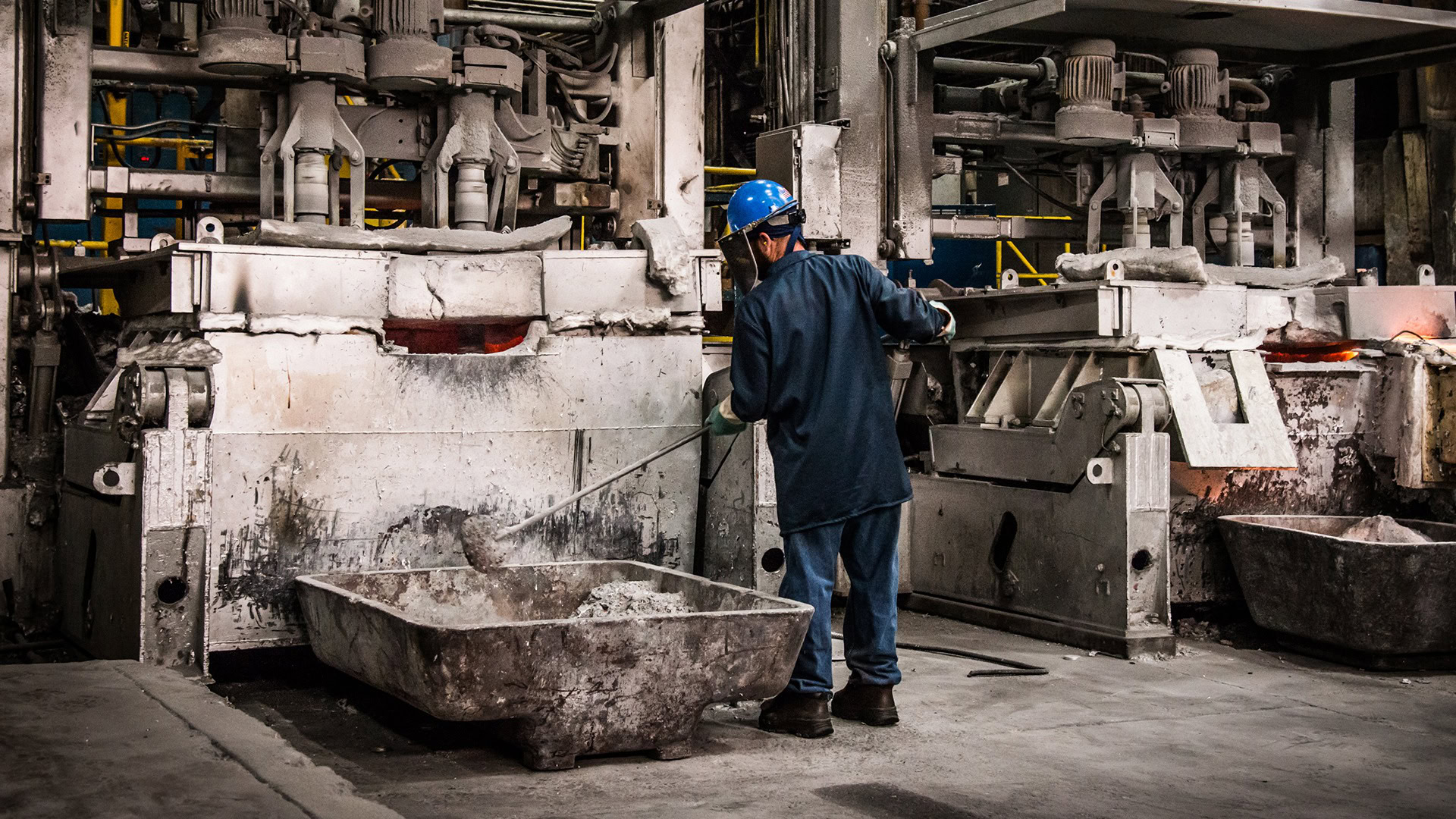
Scrap and primary aluminum are melted down together in the furnace, and this is also where the alloy itself takes shape. Before any metal is put into the furnace, the target alloy has already been decided, and the mix of scrap, prime aluminum, and alloying elements is calculated to match it. Samples are tested along the way, and additional hardening agents are added as needed to bring the composition precisely up to spec. All of them fall into one of two different series:
- 5000-Series: Magnesium/manganese-based alloys known for medium-high strength, strong corrosion resistance, and excellent weldability; the primary series behind Golden Aluminum’s packaging products. These include:
- 5182 for beverage can tabs and ends
- 5082 & 5352 for food packaging
- 5017 for general packaging
- 3000-Series: Manganese-based alloys known for high formability and corrosion resistance; used more for building products and specialty applications. These include:
- 3004 for common alloy specialties and building products
- 3105 for residential siding, gutters, etc
Step 2: Continuous Casting — Nexcast®
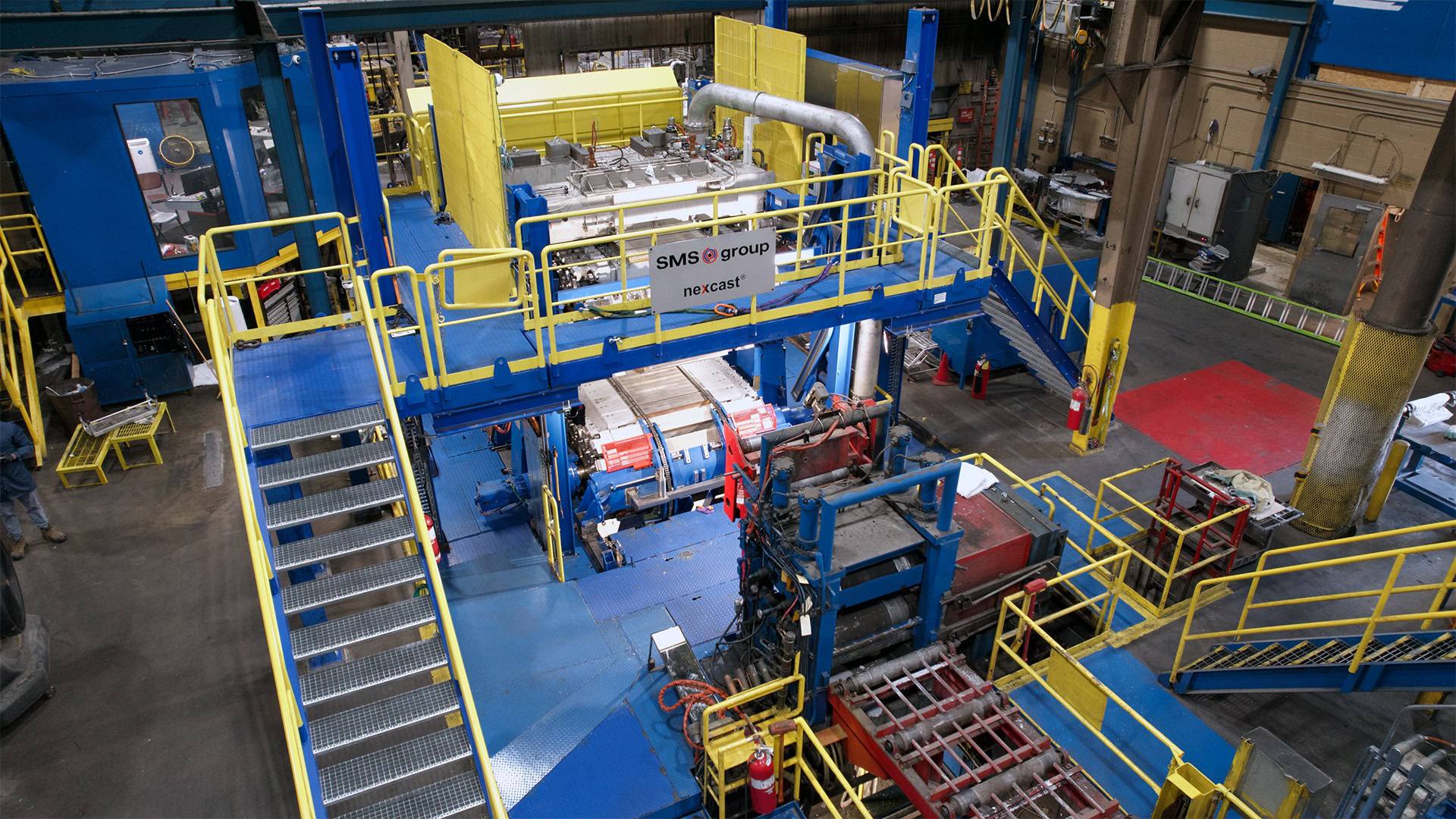
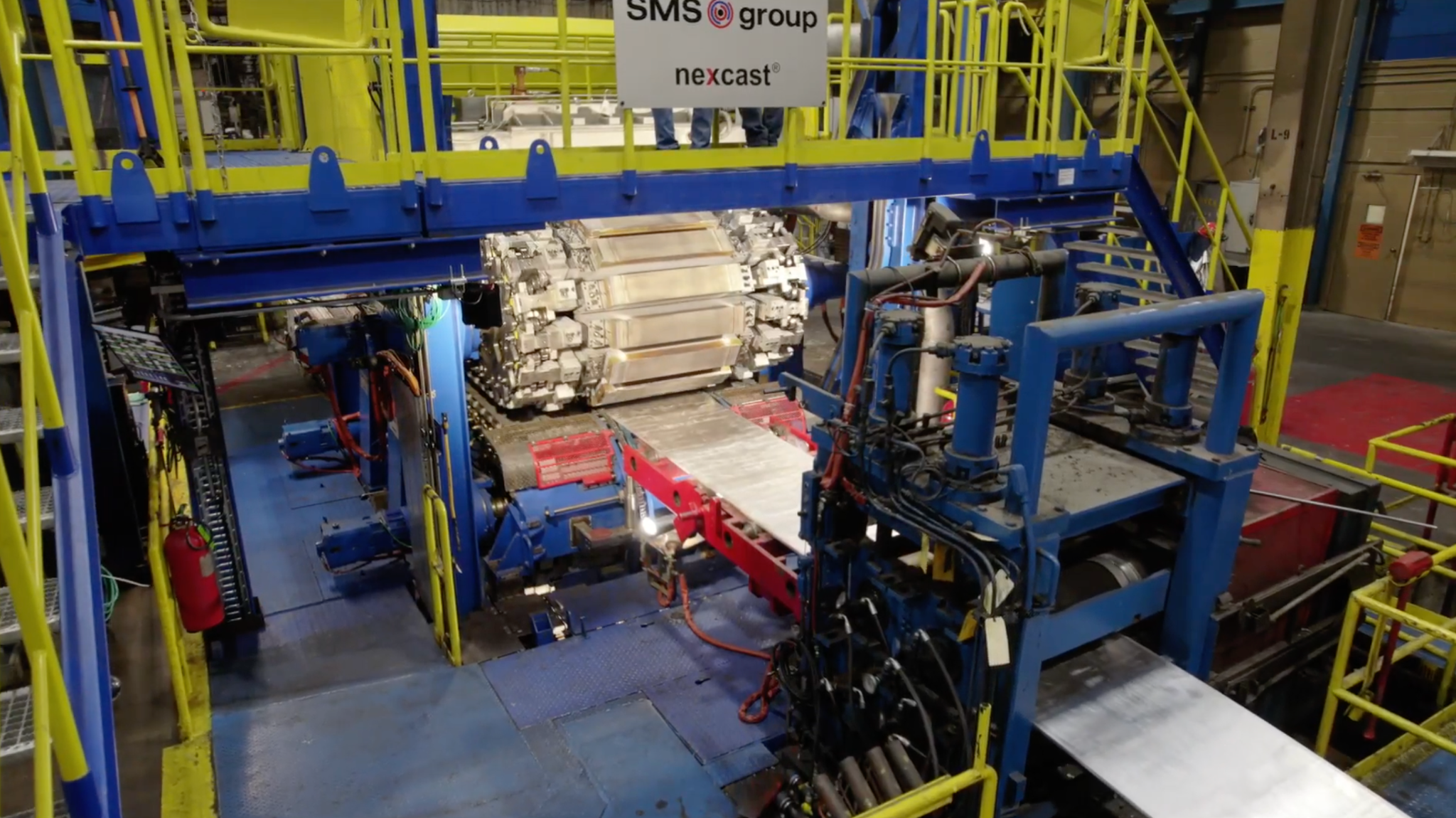
Traditionally, molten aluminum goes through a long journey before it’s usable: cast into ingots, cooled, stored, reheated, scalped, and finally rolled. With Nexcast®, it’s a whole different story. The molten aluminum is converted directly into a thin strip and then into a hot-rolled coil in one continuous, uninterrupted process, hence the name continuous casting. The entire system, from melting to coiling, spans just 175 feet. A process that traditionally requires multiple separate stages, equipment lines, and steps happens here in a footprint you could walk in under a minute. It’s not only a space-saver; it’s the reason the process uses less energy, less water, and produces a lower carbon footprint than conventional casting methods.
Step 3: Cold Rolling
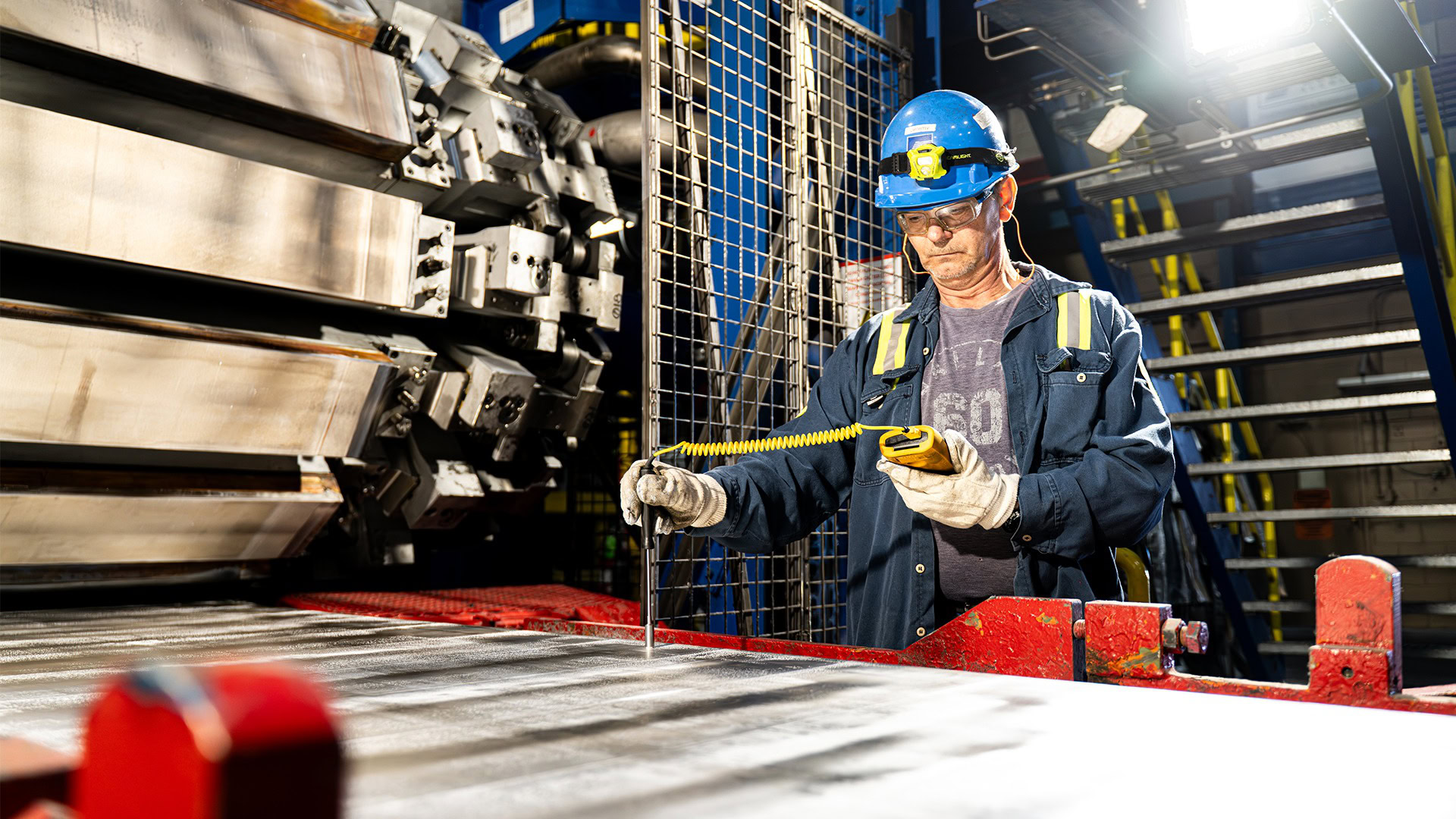
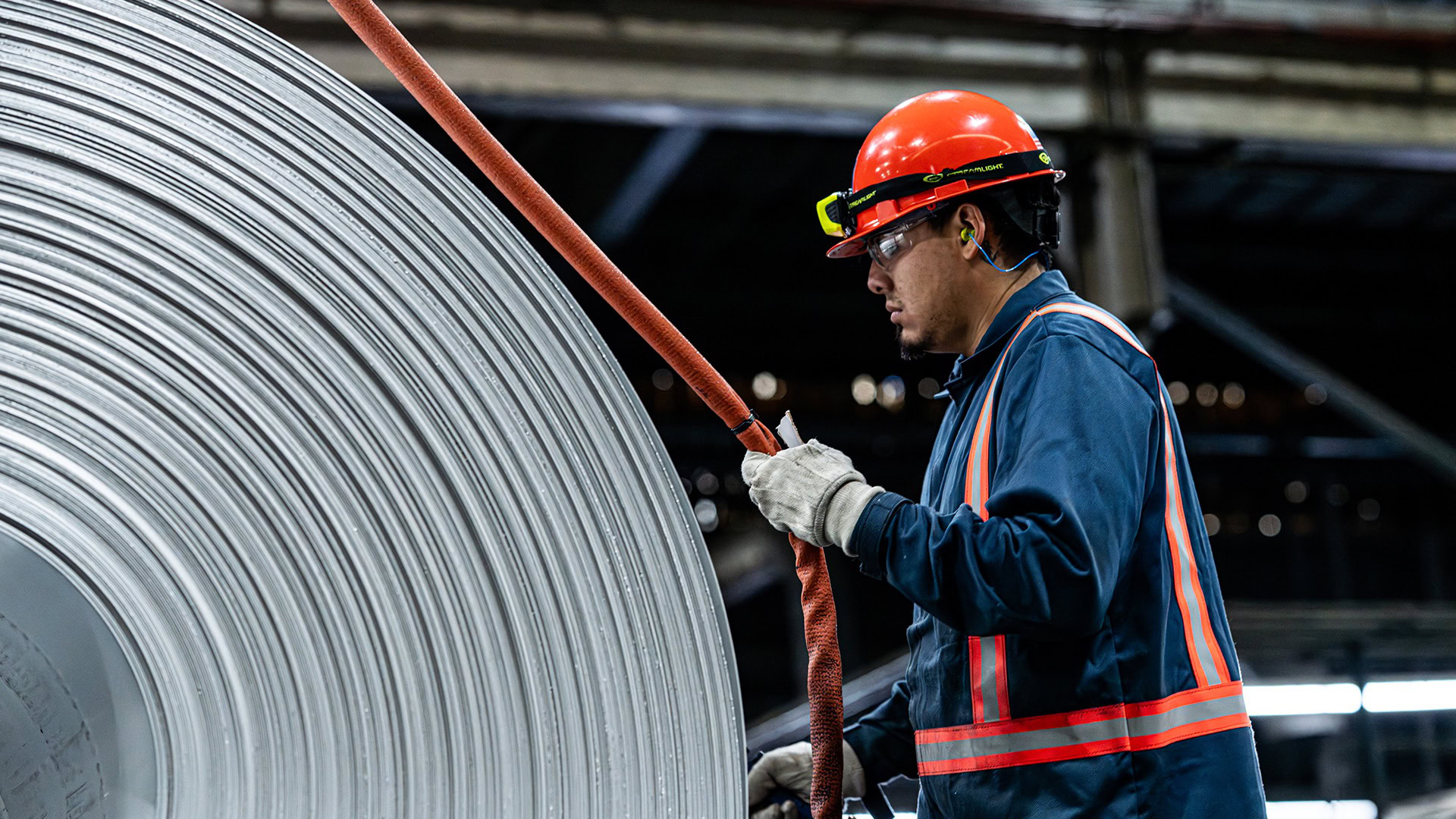
Once the hot coil comes off the caster, it’s rolled down to an exact thickness. Golden Aluminum’s mill-finish products range from .007″ to .063″ thick, in widths up to 30″, a range wide enough to serve everything from ultra-thin packaging applications to heavier-duty industrial products.
Step 4: Coating (Where Applicable)
For products headed toward packaging or closures, the coil goes through a coating stage, brought down to even thinner thicknesses, as fine as .007″ to .022″. Coating isn’t just cosmetic; it adds a layer of protection against moisture, oxygen, and general wear, which matters when the end product is protecting something like food or beverage.
Step 5: Quality Check and Shipping
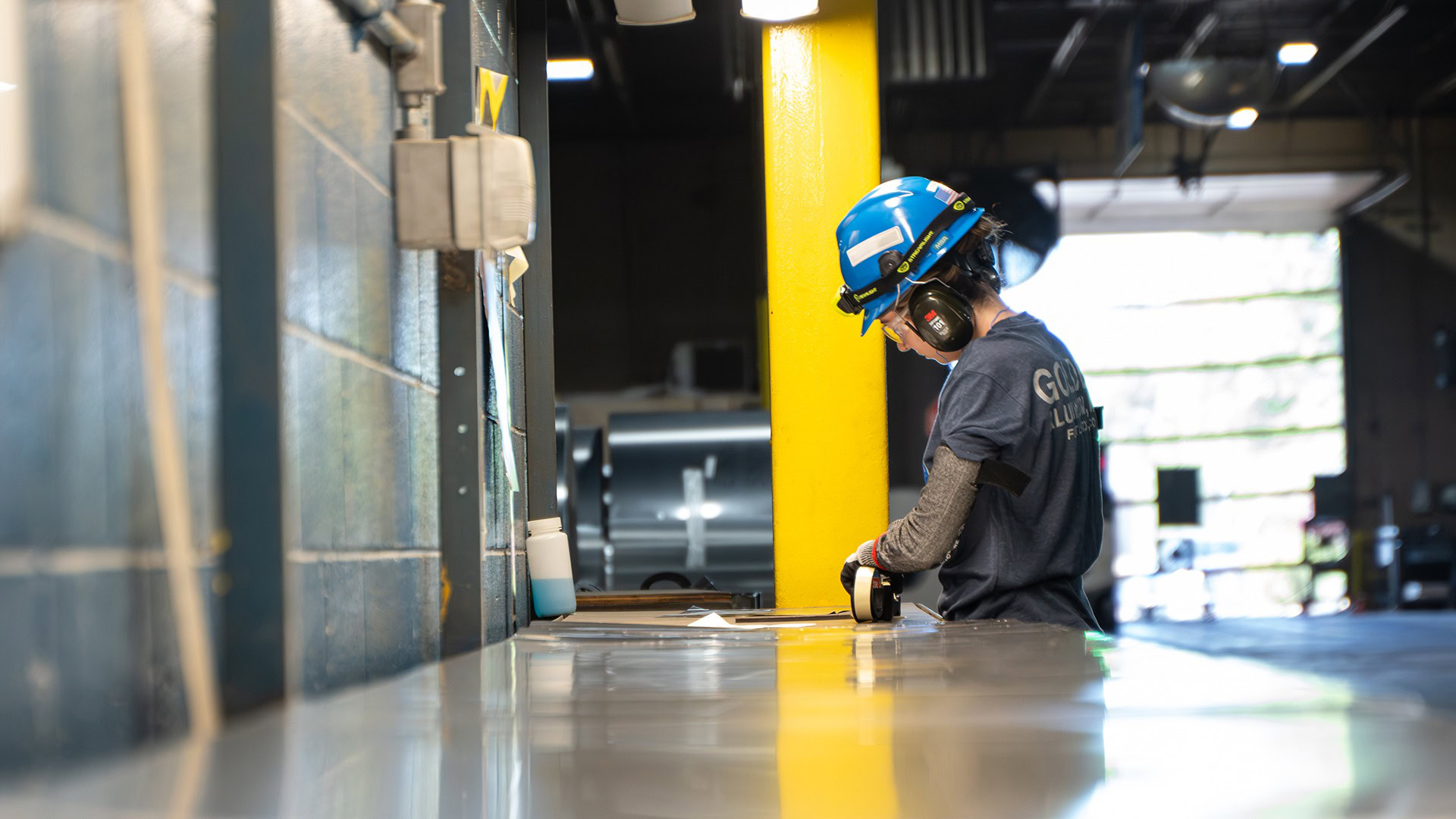
Before anything leaves the mill, every coil goes through a final round of quality checks; verifying gauge, mechanical properties, finish, and coating quality. Once it passes, the coil is matched to its final form and destination, packaged, and shipped out, ready to drop straight into the customer’s own operation.
Pushing the Industry Forward
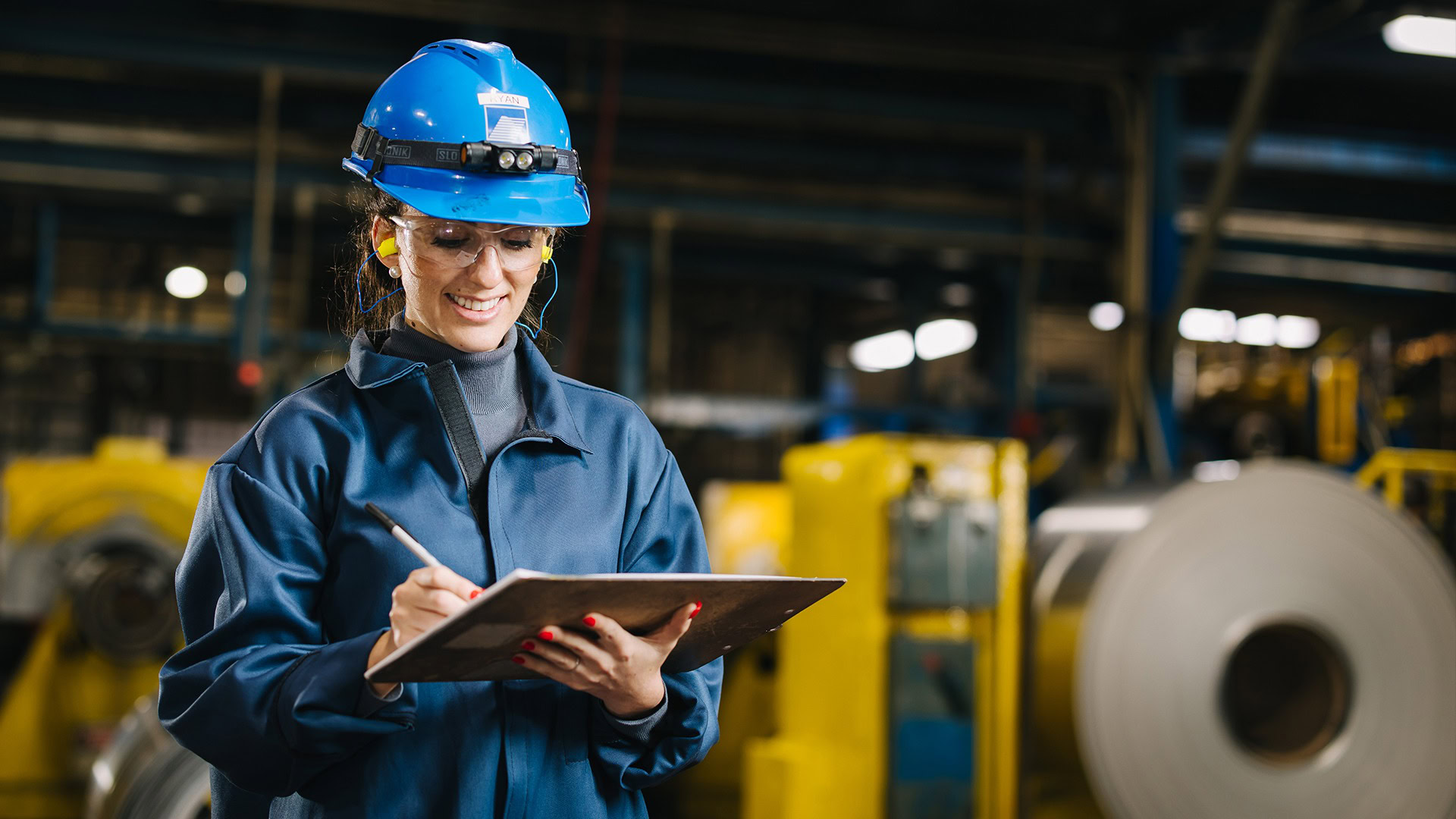
As you can probably tell, we’re very proud of what we do here at Golden Aluminum. Forty-plus years of continuous casting expertise got us here, and Nexcast® is the latest step forward. Because maximizing efficiency and sustainability is a goal we never stop chasing.
And the numbers back it up. Compared to traditional direct-chill casting, Nexcast® uses 12% less electrical energy and 23% less natural gas, all while cutting water usage by more than 80%. That all adds up to a carbon intensity much lower than the industry average. These figures aren’t hypothetical either, they’re the tried and true result of a system that’s been working and proving itself at our Fort Lupton mill for over a year.
For our customers, this all translates into a faster turnaround, a wider range of available alloys, and a supply chain built on a process that’s made to waste less at every step. That’s the story we wanted to share with you this Manufacturing Day. Not just what we make, but how we make it. Because we believe that the process is just as important as the result. Aluminum manufacturing has changed a lot since bauxite was first pulled out of the ground almost three-hundred years ago, and it’ll keep changing. But our standards and our purpose always remain the same.
To the millions of Americans who make our industries run, and to the next generation considering a future in manufacturing, we hope we taught you something new, and perhaps even lit a spark of inspiration or curiosity in you. If you’re interested in seeing more of what goes on inside our mill, or want to talk about how our aluminum could fit into your next project, we’d love to hear from you.
Sources:
Aluminum Association. (n.d.). Rolling aluminum: From the mine through the mill. https://studylib.net/doc/18136640/rolling-aluminum—the-aluminum-association
Earth Magazine. (n.d.). March 23, 1821: Bauxite discovered. https://www.earthmagazine.org/article/march-23-1821-bauxite-discovered/
European Aluminium Association. (n.d.). TALAT lecture 3210: Continuous casting of aluminium. https://www.aluminium-guide.com/wp-content/uploads/2020/01/3210.pdf
Golden Aluminum. (2025, June). Nexcast is getting a major upgrade. https://goldenaluminum.com/nexcast-is-getting-a-major-upgrade/
Golden Aluminum. (n.d.-a). Capabilities. https://goldenaluminum.com/capabilities/
Golden Aluminum. (n.d.-b). Nexcast®: Innovation by aluminum suppliers & mills for a sustainable future. https://goldenaluminum.com/nexcast-revolutionizing-the-aluminum-industry-for-a-sustainable-future/
Light Metal Age Magazine. (2025, December 10). Golden Aluminum advances continuous casting with optimized Nexcast blockcaster. https://www.lightmetalage.com/news/industry-news/flat-rolled-sheet/golden-aluminum-advances-continuous-casting-with-optimized-nexcast-blockcaster/
National Association of Manufacturers. (2026). Facts about manufacturing. https://nam.org/mfgdata/facts-about-manufacturing-expanded/
National Institute of Standards and Technology. (n.d.). Manufacturing Day – Its genesis and evolution. https://www.nist.gov/blogs/manufacturing-innovation-blog/manufacturing-day-its-genesis-and-evolution
ScienceDirect. (n.d.). 5000-series alloy. In ScienceDirect topics. https://www.sciencedirect.com/topics/engineering/5000-series-alloy
Wikipedia contributors. (n.d.). Continuous casting. In Wikipedia. https://en.wikipedia.org/wiki/Continuous_casting

Why We’re Going to ALUMINIUM Dusseldorf This October
This year, Golden Aluminum will be in Düsseldorf, Germany for ALUMINIUM 2026, the industry’s leading trade fair, taking place October 6 through 8 at the Düsseldorf Exhibition Centre. This biennial edition is organized around a theme that fits us well: “Sharing a Vision.”
ALUMINIUM 2026 is expected to bring in more than 30,000 visitors and around 1,000 exhibitors from nearly 50 countries. Like the industry as a whole, the show is likely to center on conversations about sustainability, recycling, the circular economy, and the broader transformation underway across aluminum production. Those are things we think about constantly at Golden Aluminum, and they’re a large part of why we’re making the trip.
Four Decades of Continuous Casting
To understand how all of this connects, it helps to go back a few decades. Golden Aluminum’s Fort Lupton, Colorado facility has been operating since 1983, built on the then-unproven idea that recycled aluminum beverage cans could be cast continuously into high-quality sheet. We backed that belief further in 1987 by partnering with Lauener Engineering, the company behind the original blockcasting system. Over the decades that followed, that machine became one of the most successful continuous casters in the world, running reliably for over 40 years and producing over a billion pounds of aluminum along the way.
Nexcast®, our newest casting technology, grew out of that history. Co-developed with SMS Group, it takes everything we learned running that original system and applies it to a more advanced line. For most of the industry, continuous casting means choosing between speed and cost on one hand, and the ability to run high-value alloys on the other. In practice, that means most continuous casters simply can’t handle heat-treatable, high-magnesium grades, the kind of sophisticated alloys that packaging, automotive, and other demanding applications increasingly require. Producers needing those alloys have typically had to fall back on conventional ingot casting instead, at the cost of a larger footprint, more energy, and more capital. Nexcast® was built to close that gap. Benchmarked against the conventional process, Nexcast® delivers a 90% smaller footprint, uses 25% less energy, and requires 40% less capital cost, all without giving up the capability to run sophisticated, high-value alloys.
Proven in Production
Nexcast® produced its first hot-rolled coil on July 5, 2025, just four weeks after installation began, and reached full production capacity within its first month. It has run successful extended casting campaigns and handled on-the-fly alloy changeovers involving high-magnesium AA5182. It’s been in commercial operation ever since.
Our original block caster wasn’t holding us back. It was efficient, it was capable of running what our customers needed, and it proved that for four decades straight. So when we talk about Nexcast® internally, we’re not talking about fixing a compromise we were living with. We’re talking about modernization. Taking four decades of operating knowledge and applying it to a system built for where the industry is headed next.

Find Us in Dusseldorf
This is what’s taking us to Düsseldorf. SMS Group will be showcasing Nexcast®, and we’ll be there alongside them, as the team that’s been running this technology in a real production environment since last summer. It also reflects something we’ve believed for a long time: that the industry moves forward faster when real advances don’t stay siloed. That’s part of why we made Nexcast® available to select partners earlier this year. Sharing a vision is how we do things.
If you’re attending ALUMINIUM 2026 and want to talk about what next-generation continuous casting could mean for your own mill, we’d welcome the conversation. Find the SMS Group team on the show floor, or reach out anytime here -> Contact Us
AI Needs Aluminum. Both Need Power. There Isn't Enough.
Artificial intelligence is often described as weightless, a thing of models, tokens, and cloud. It is nothing of the sort. The AI boom is one of the most physically demanding construction efforts of the modern era, and it runs, in no small part, on aluminum. The racks that hold the servers, the systems that cool them, the transmission lines that feed them: aluminum, aluminum, aluminum.
And here is the strange part. The same boom that needs so much aluminum is quietly making American aluminum costlier to produce than it has been in decades. The industry building the future is starving the industry that supplies it. To understand why, it helps to look at both ends of the problem at once.

A digital economy made of metal
Start with what a data center actually is. Behind the software, it is a warehouse of machinery that consumes electricity and produces heat, and nearly every part of managing that reality involves metal. Industry analyses estimate that each megawatt of data-center capacity embeds roughly 60 to 75 tonnes of minerals, most of it not in the servers, but in the power and cooling systems around them. Aluminum appears throughout: in server racks, in cooling units and heat sinks, and increasingly in the structure of the buildings themselves.
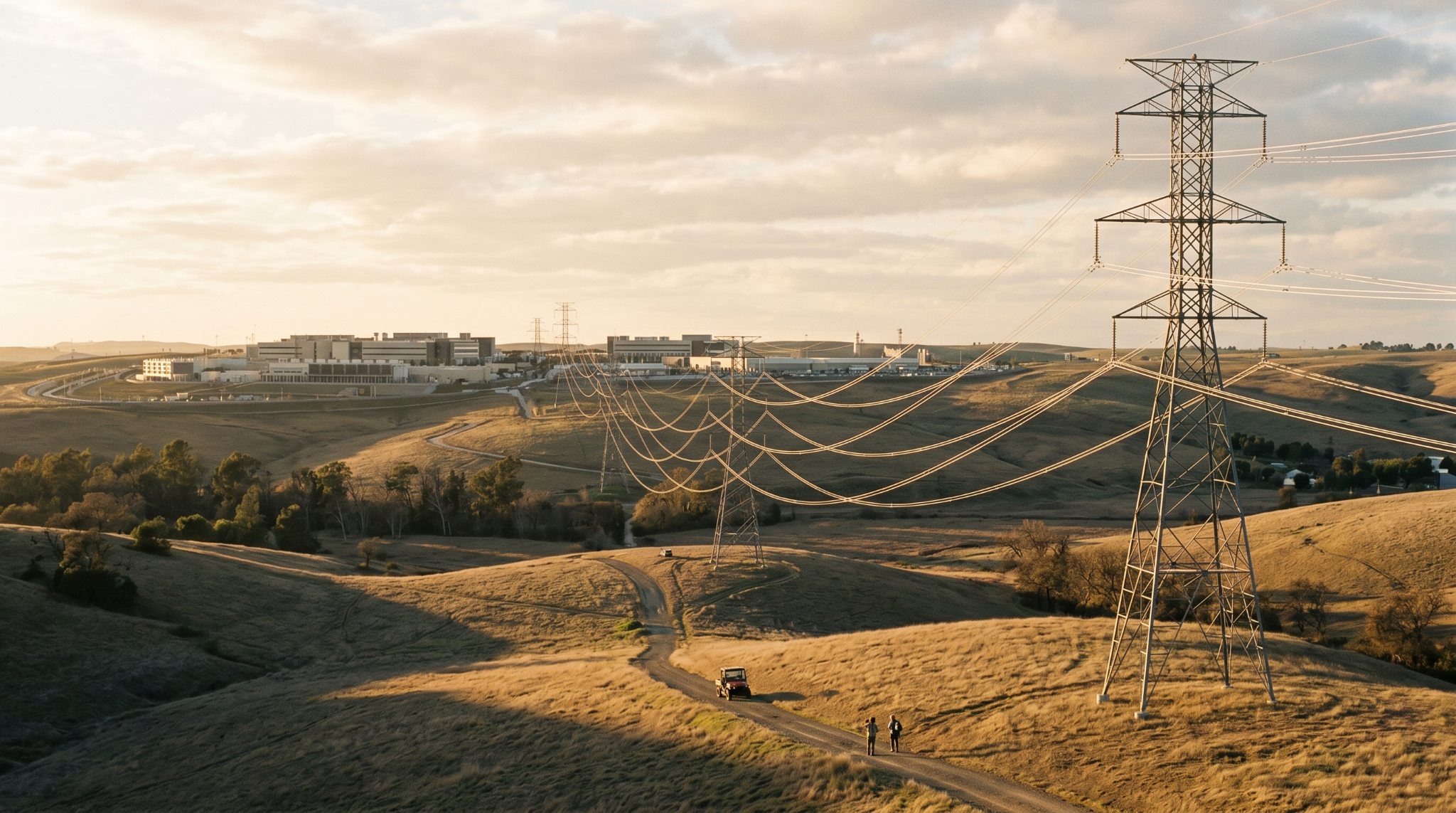
It extends beyond the walls of the facility. To reach a data center, electricity travels across a grid built substantially from aluminum, the standard conductor for high-voltage transmission. As utilities race to expand capacity for AI, they are also expanding demand for the metal that carries power in the first place.
Important note is that copper is arguably the most important metal in AI hardware itself. It is the better conductor in tight spaces, and it tends to win the cold plates and dense power connections at the center of an AI server. But when the question shifts from the chip to the infrastructure, aluminum takes over. Across the wider campus, in the cabling that distributes power building to building, aluminum is gaining share, precisely because it delivers most of the performance at a fraction of the cost and weight.
The smelter’s impossible math
Now turn to the other end. Making primary aluminum, smelting it from ore, is among the most electricity-hungry industrial processes on earth. A single smelter draws roughly 11 terawatt-hours of electricity a year, about what it takes to power a city the size of Boston. For a smelter, electricity is not a cost among many. It is the business.
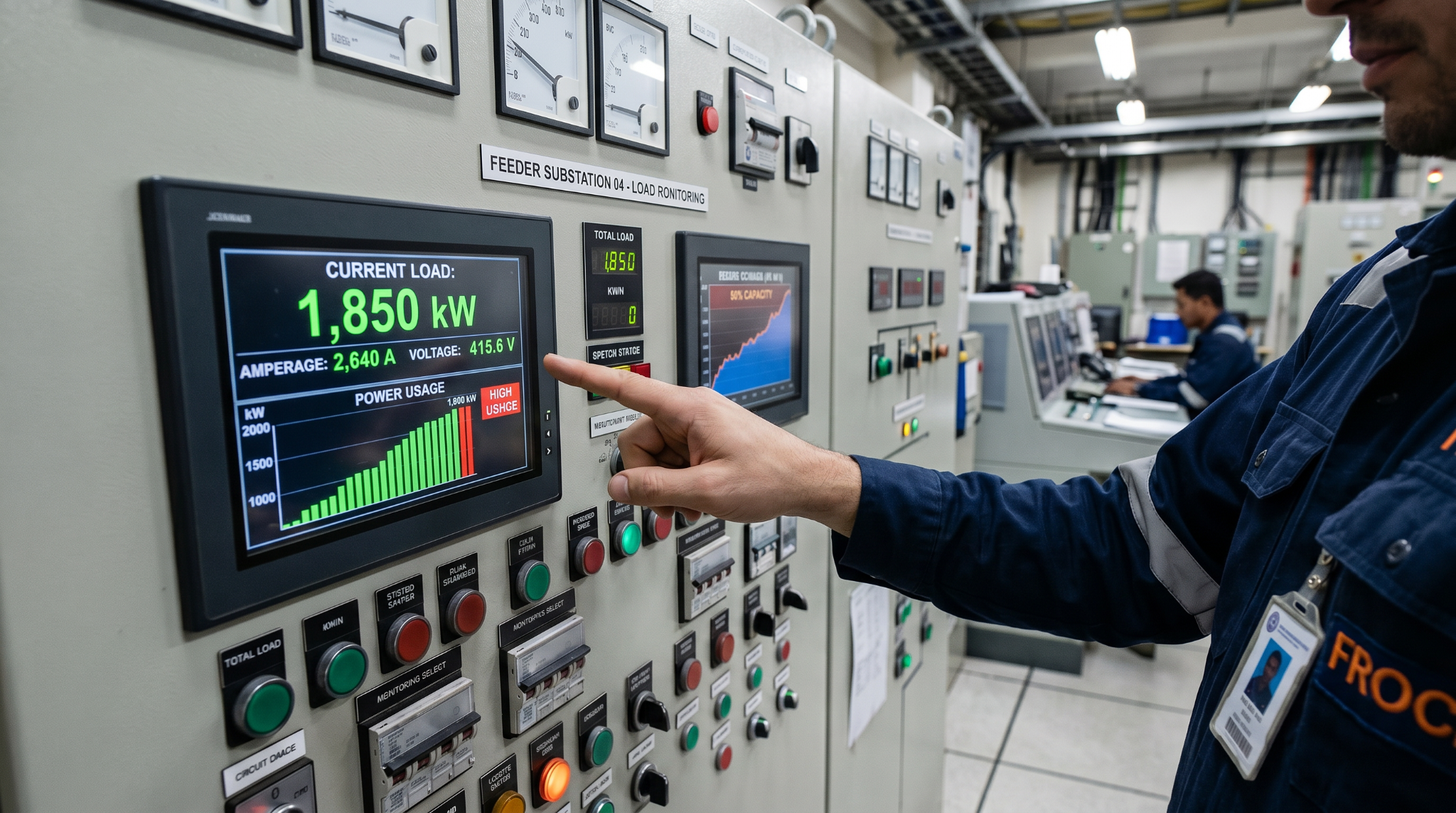
To operate profitably, American smelters need long-term power priced in the range of thirty to forty dollars per megawatt-hour. Data centers, flush with capital and racing to build, are paying well over one hundred. A smelter simply cannot outbid a hyperscaler for the same electrons, and increasingly it does not try.
The consequences are already visible on the map. Only six primary smelting sites remain in the United States, and just four still operate commercially, together producing around 670,000 tonnes in 2024, under one percent of global output. Even running flat out, American smelters could supply only about a third of the country’s own demand.
The clearest illustration comes from Kentucky, an aluminum smelter that had operated since 1969. In 2022 the company idled it, citing the rising cost of natural gas after Russia’s invasion of Ukraine, and it never restarted. When the site finally changed hands, the buyer was not another metals company but a data-center developer. The value was no longer in making metal. It was in the power infrastructure, worth more feeding servers than a smelter.
Another large smelter has reportedly weighed similar moves.
The machine that eats its own supply
Set the two halves side by side and the paradox comes into focus. Data centers need aluminum to be built, and the electricity demand of the data centers already built is driving up the cost of it. The companies generating the demand are outbidding the suppliers who would meet it.
The pressure is not temporary. Electricity demand in the United States is projected to grow five to ten times faster over the coming decade than it did over the last. And the squeeze runs in both directions. Even as domestic producers struggle to secure power, international supply from Indonesia and China is climbing, and analysts at Goldman Sachs expect aluminum prices to fall roughly fifteen percent by late 2026. Higher costs to produce, lower prices to sell, arriving at the exact moment demand has never looked stronger.
Rebuilding primary aluminum capacity is no quick fix. By the Aluminum Association’s own reckoning, restoring meaningful domestic smelting would take something like five years, five new smelters, and twenty-five billion dollars. Even announced projects have stalled, unable to lock in affordable long-term power. When the scarce input is energy, more smelters are not, by themselves, an answer.
The advantage moves to efficiency
If energy is the binding constraint, then the future of American aluminum belongs to whoever can make it with the least energy.
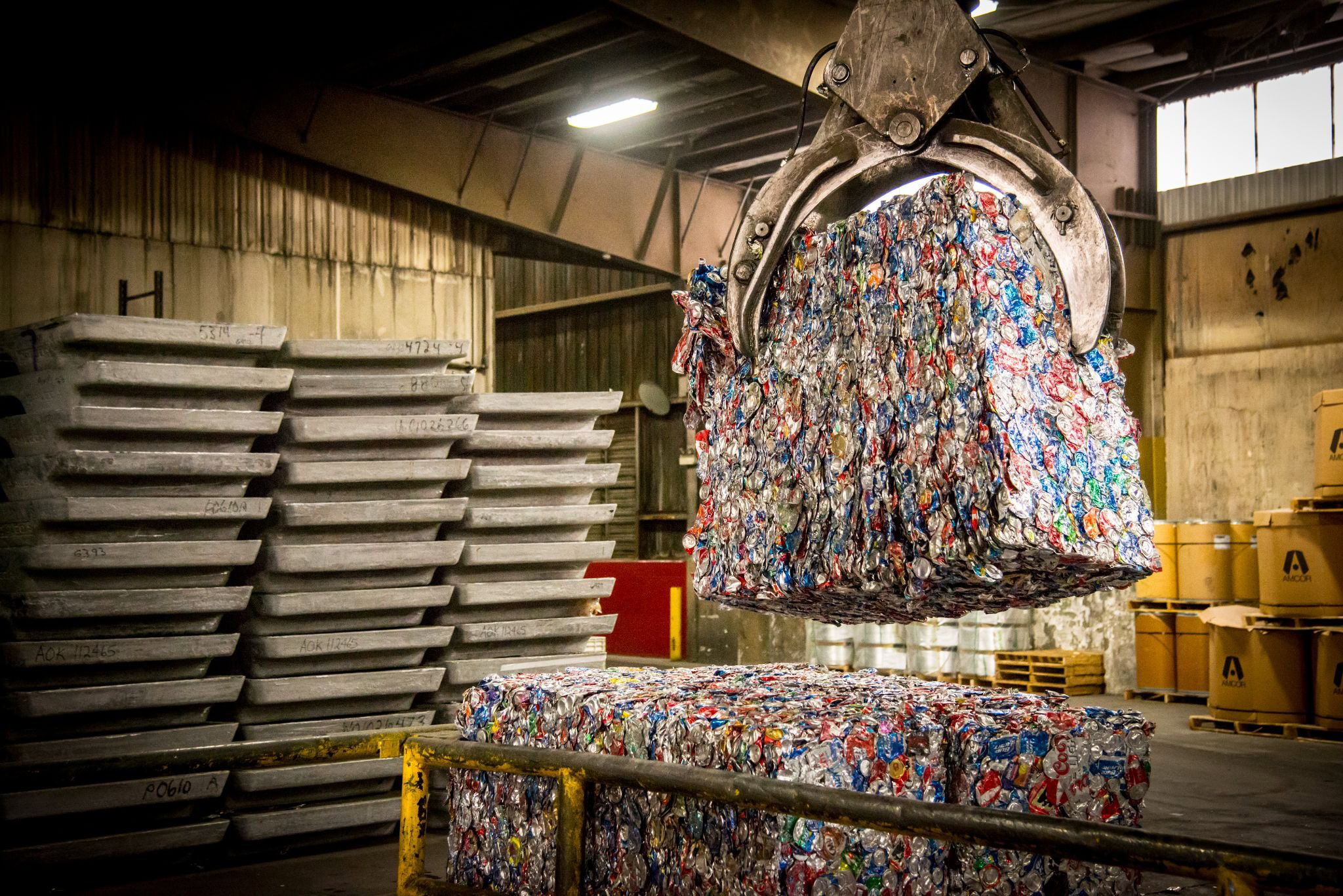
The single most powerful lever is already well understood. Recycling aluminum uses about 95 percent less energy than producing it new from ore, because the hardest, most electricity-intensive work, the smelting, has already been done once and never has to be repeated. Aluminum stores that original energy indefinitely and returns it, through recycling, again and again. In a market where power is the scarce resource, a material that can be remade for a twentieth of the energy is not a sustainability footnote. It is a competitive strategy.
The American industry has, quietly, already moved in this direction. More than 80 percent of U.S. aluminum production today comes from recycled, or secondary, material, up from roughly 20 to 30 percent in the 1980s. The same logic favors producers whose processes are efficient by design: casting and rolling methods that reach finished products with fewer steps and less energy per tonne shipped. As power grows scarcer and dearer, the producers who thrive will not necessarily be the largest. They will be the ones who waste the least.
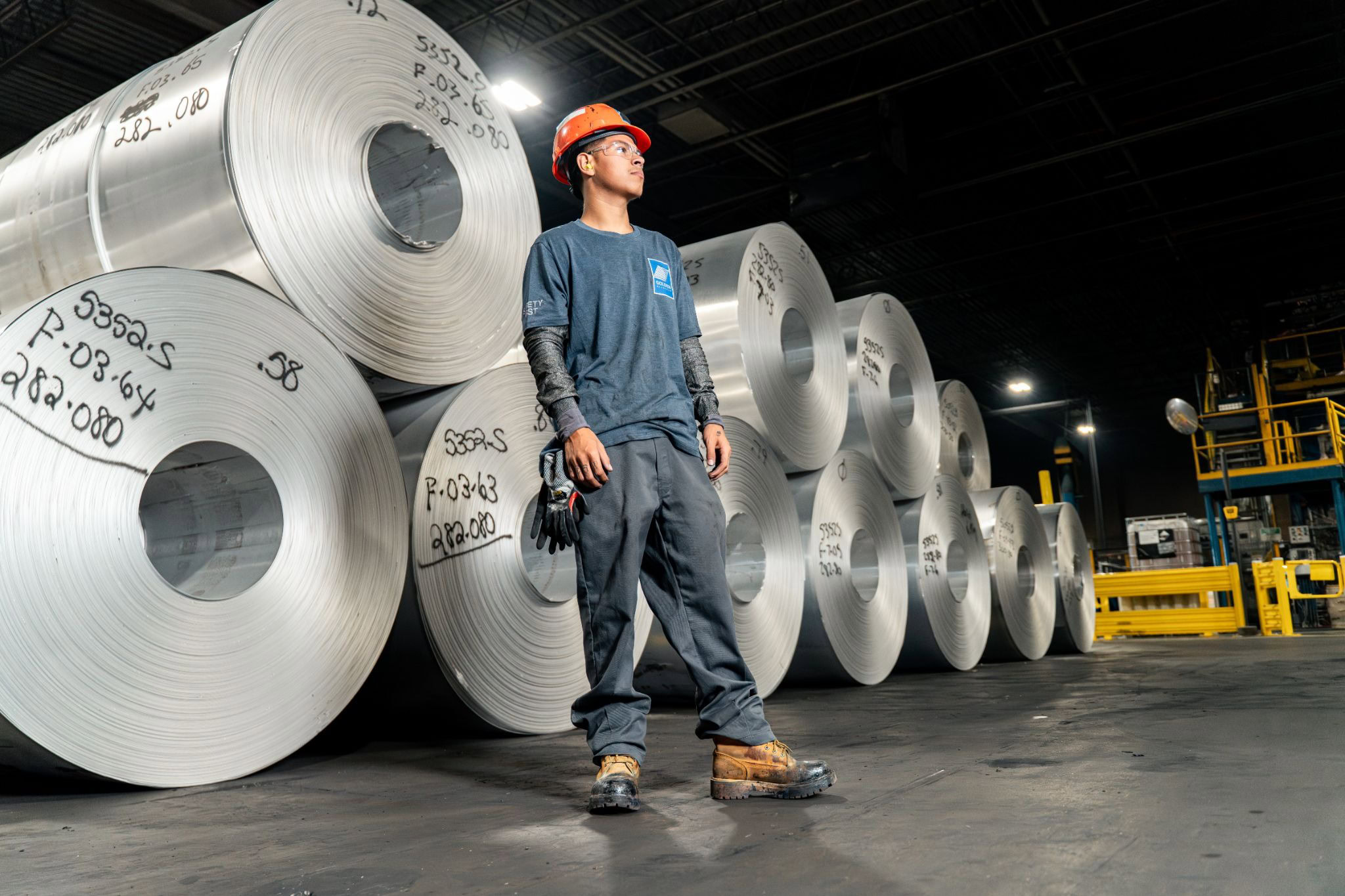
The weight of a weightless age
There is a final irony worth sitting with. The most advanced, seemingly immaterial technology of our time has turned out to be one of the most materially demanding undertakings in a generation, and aluminum sits at the center of it.
The contest ahead will not be won by whoever can make the most metal. It will be won by whoever can make it with the least power. That is a harder problem than building another smelter, and a more interesting one. It rewards efficiency over scale, circularity over extraction, and cleverness over brute force, which may be the most fitting description of the age we are building, and the metal we are building it with.
Golden Aluminum is a flat-rolled aluminum producer in Fort Lupton, Colorado, with more than forty years spent making flat-rolled aluminum efficiently and with a high share of recycled content. These are our questions too.
Why Domestic Aluminum Sourcing Just Got a Lot Smarter
For years, sourcing decisions in the aluminum industry came down to a familiar set of variables: price, lead time, quality, and relationship. Most buyers built their supply chains accordingly — balancing domestic and imported sources based on what made sense for their business at the time.
The rules have changed.
What happened — and what it means
In early 2025, Section 232 tariffs on imported aluminum were raised to 25%. By 2026, the scope expanded further. Today, aluminum sheet and coil imported into the United States carries a flat 50% tariff on its full value, meaning the rule is stricter and clearer, differing from only full metal value criteria some weeks ago. That’s not a rounding error. For buyers still sourcing overseas, that cost is landing somewhere — absorbed into margins, passed to customers, or quietly eroding competitiveness one order at a time.
The ripple effects are visible across the industry. Procurement teams that once relied on long-term import relationships are reassessing. Contracts are getting shorter. Supplier lists are getting broader. And one question is coming up more often than any other: is there a domestic source that can actually meet our needs?
For flat-rolled aluminum, the honest answer has often been complicated. Domestic capacity is limited, and not every mill can serve every application. But if you’re in packaging, automotive, or building products, there’s a strong case for making domestic sourcing part of your supply strategy — and more options than you might think. Golden Aluminum has been one of them, operating out of Fort Lupton, Colorado for over 40 years.
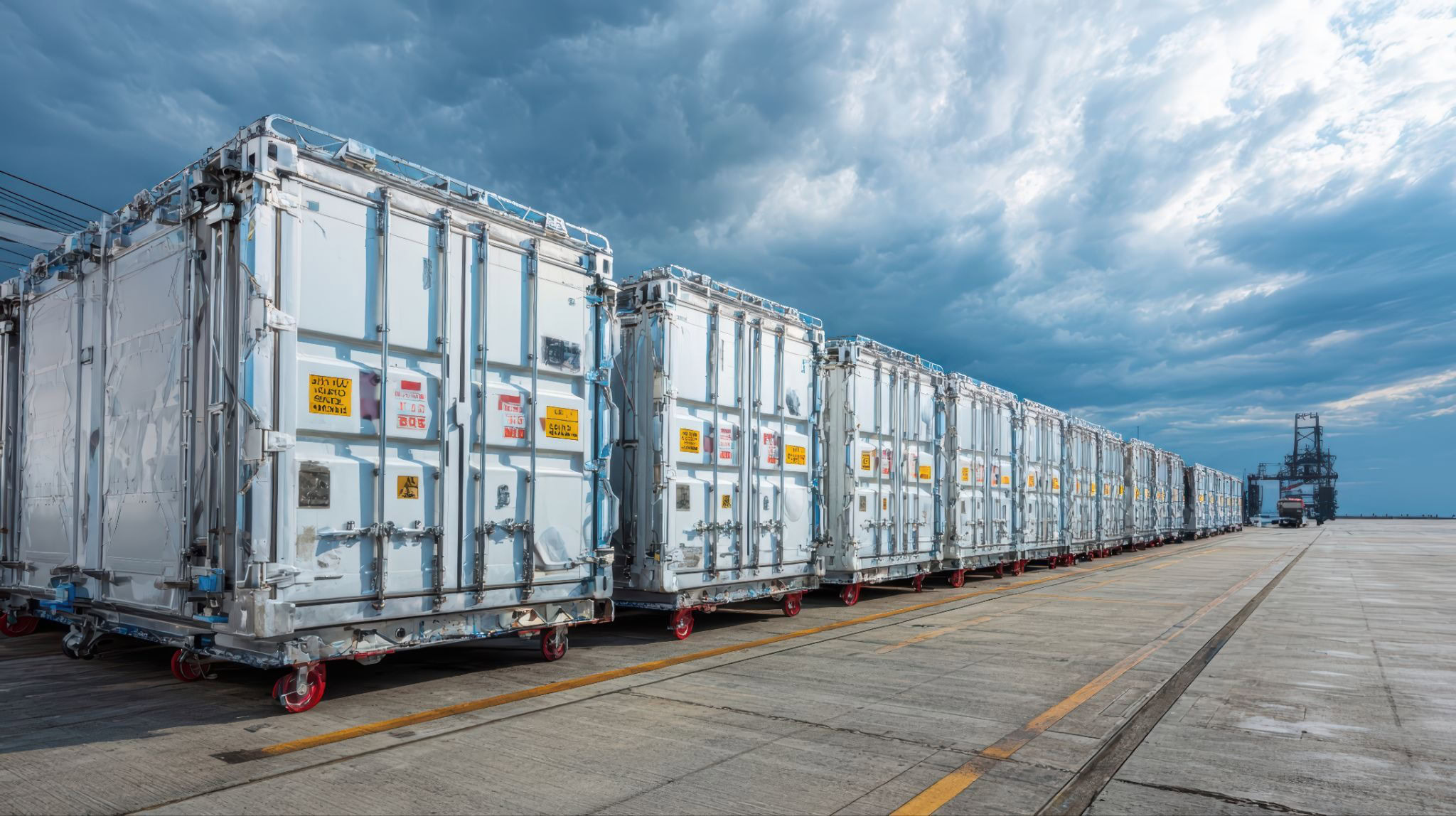
What domestic sourcing actually means in practice
The conversation around tariffs tends to focus on cost — and cost matters. But the case for domestic sourcing goes deeper than avoiding a 50% duty.
It means shorter lead times. Imported aluminum moves through ports, customs, and freight networks before it reaches your facility. A domestic mill ships directly, on a timeline that doesn’t depend on global logistics chains that have proven, repeatedly, to be fragile.
It means protecting the material itself. Ocean freight exposes aluminum coil to weeks of salt air and humidity — conditions that can cause surface oxidation and pitting that compromise quality before the metal ever reaches your floor. Domestic shipping eliminates that risk entirely.
It means supply chain predictability. When trade policy shifts — and it has shifted, dramatically, multiple times in recent years — a domestic supply isn’t exposed to the same volatility. What you agreed to is what you get.
It means traceability. As compliance requirements around country of origin become more stringent, knowing exactly where your aluminum was smelted, cast, and rolled matters more than it used to. Domestic production provides that clarity without the documentation burden that imported material increasingly requires.
And it means a supplier relationship built on proximity — the ability to have a real conversation, solve a real problem, and make a decision without a 12-hour time difference in the way. Coils made in America, by American workers, supporting American industry.
Golden Aluminum is made in America.
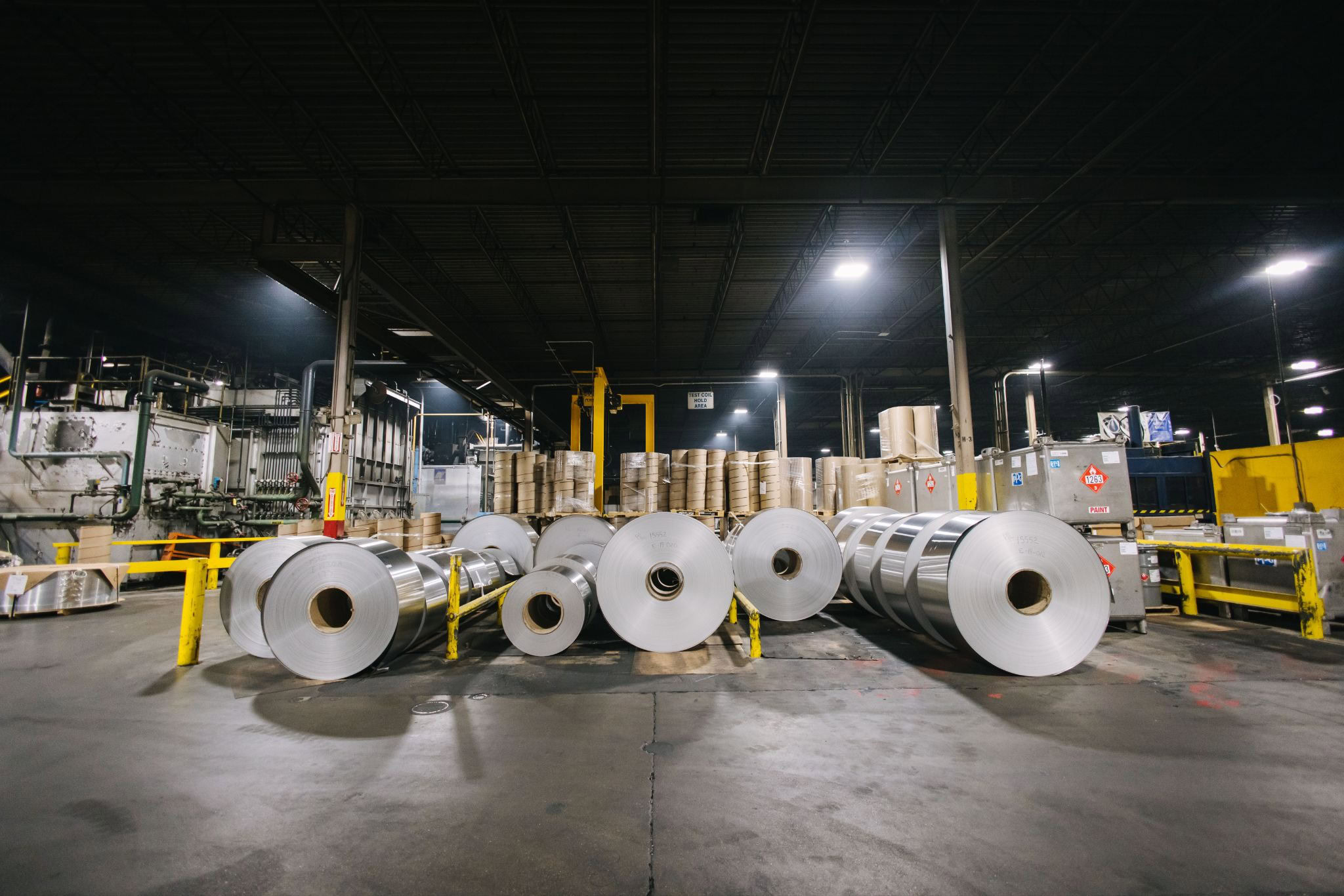
Built in Fort Lupton, Colorado, operating continuously since 1983. Every coil we produce is smelted, cast, and rolled on U.S. soil — which means our customers carry no tariff exposure on material sourced from us.
We produce flat-rolled aluminum for the packaging, automotive, and building products industries. Our Nexcast® continuous blockcaster — co-developed with SMS group — is one of the most advanced continuous casting technologies in operation, producing high-quality flat-rolled aluminum with the consistency these industries demand.
Sourcing from us also means cost predictability. No freight surcharges, no currency fluctuation, no customs delays. What we quote is what arrives — on a timeline that doesn’t depend on a global logistics chain.
And for companies with sustainability commitments, domestic sourcing reduces the carbon footprint of your supply chain meaningfully. Aluminum that doesn’t cross an ocean is aluminum that didn’t burn the fuel to get there.
The conversation worth having
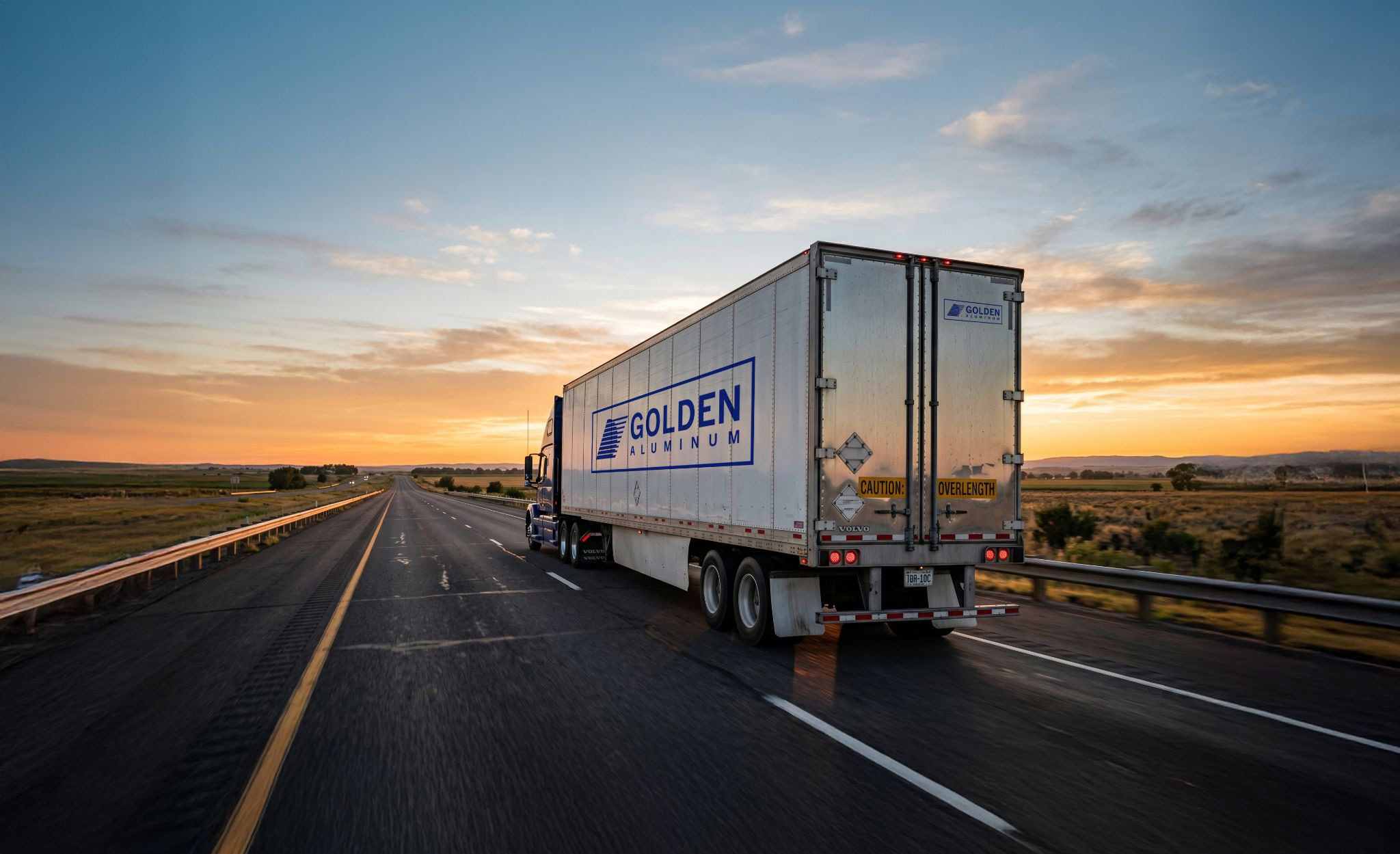
We’re not suggesting that every buyer should abandon every import relationship overnight. Supply chains are complex, and every situation is different. What we are suggesting is that if the current environment has you looking at your sourcing strategy with fresh eyes, the domestic option deserves a serious look.
Golden Aluminum is ready to have that conversation — whether you’re exploring a full sourcing shift or simply want to understand what a domestic relationship could look like for your specific application.
Find out more here -> goldenaluminum.com/capabilities